
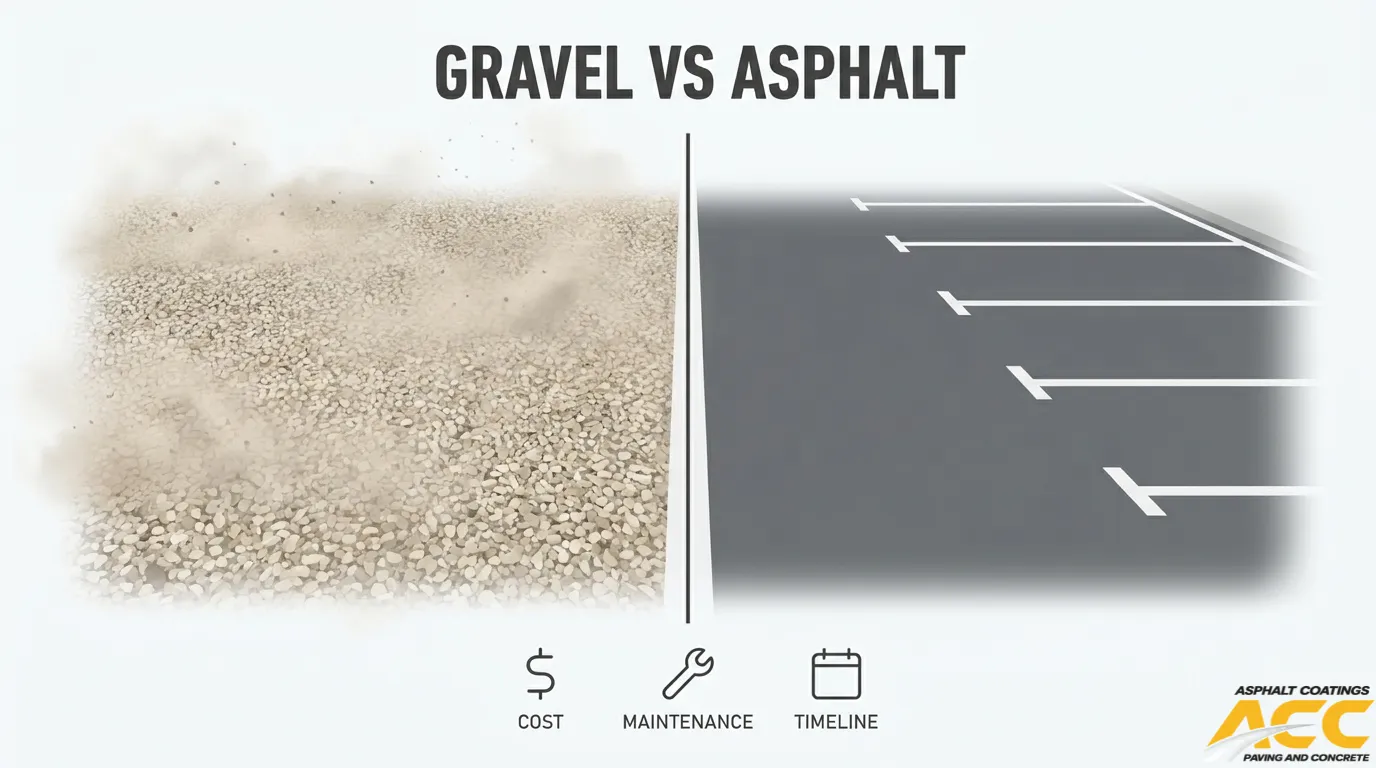
How Should You Evaluate a Gravel Parking Lot’s Cost, Dust Control, and When to Pave It With Asphalt?
October 30, 2026
A gravel parking lot is a commercial parking surface built with layered aggregate over a prepared subgrade, offering low upfront installation cost but requiring ongoing maintenance to remain functional. This guide covers gravel lot economics and material selection, surface comparisons with asphalt and concrete, dust suppression strategies and health impacts, conversion triggers and paving costs,
Read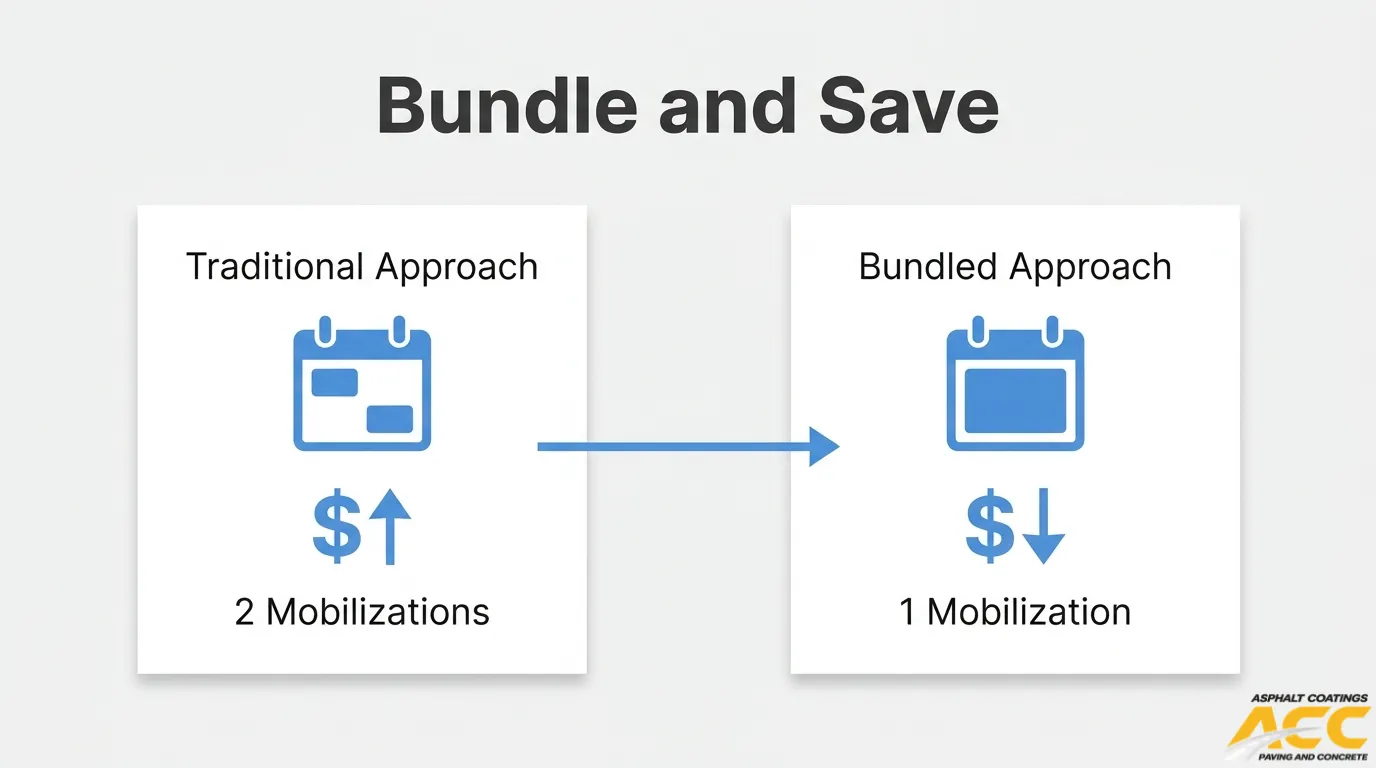
How Much Can Bundling Sealcoating and Striping in One Project Save on Cost and Closure Time?
October 30, 2026
Bundling sealcoating and striping is the practice of combining both pavement maintenance scopes into a single project mobilization, eliminating duplicate closures, redundant setup costs, and the scheduling gaps that inflate budgets and downtime. This guide covers why property owners default to separating these services, how the combined logistics and cost structure work, what operational and
Read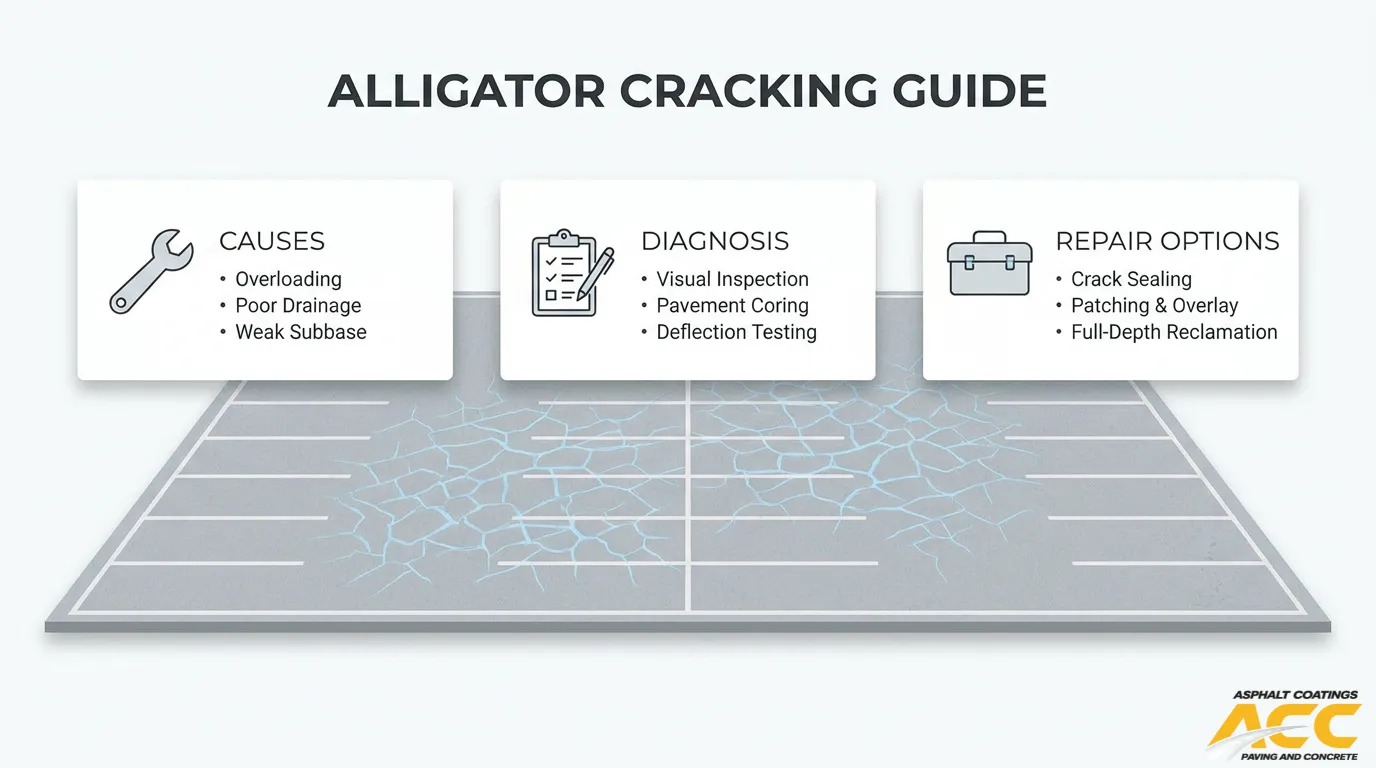
Alligator Cracking in Commercial Parking Lots: Causes, Repair Options and When Replacement Is the Only Fix
October 29, 2026
Alligator cracking is a structural asphalt distress defined by interconnecting cracks that form a chicken wire pattern in wheel paths, caused by fatigue failure under repeated traffic loading. The cracks initiate at the bottom of the hot mix asphalt layer and propagate upward, signaling that the pavement structure beneath the surface is compromised. This guide
Read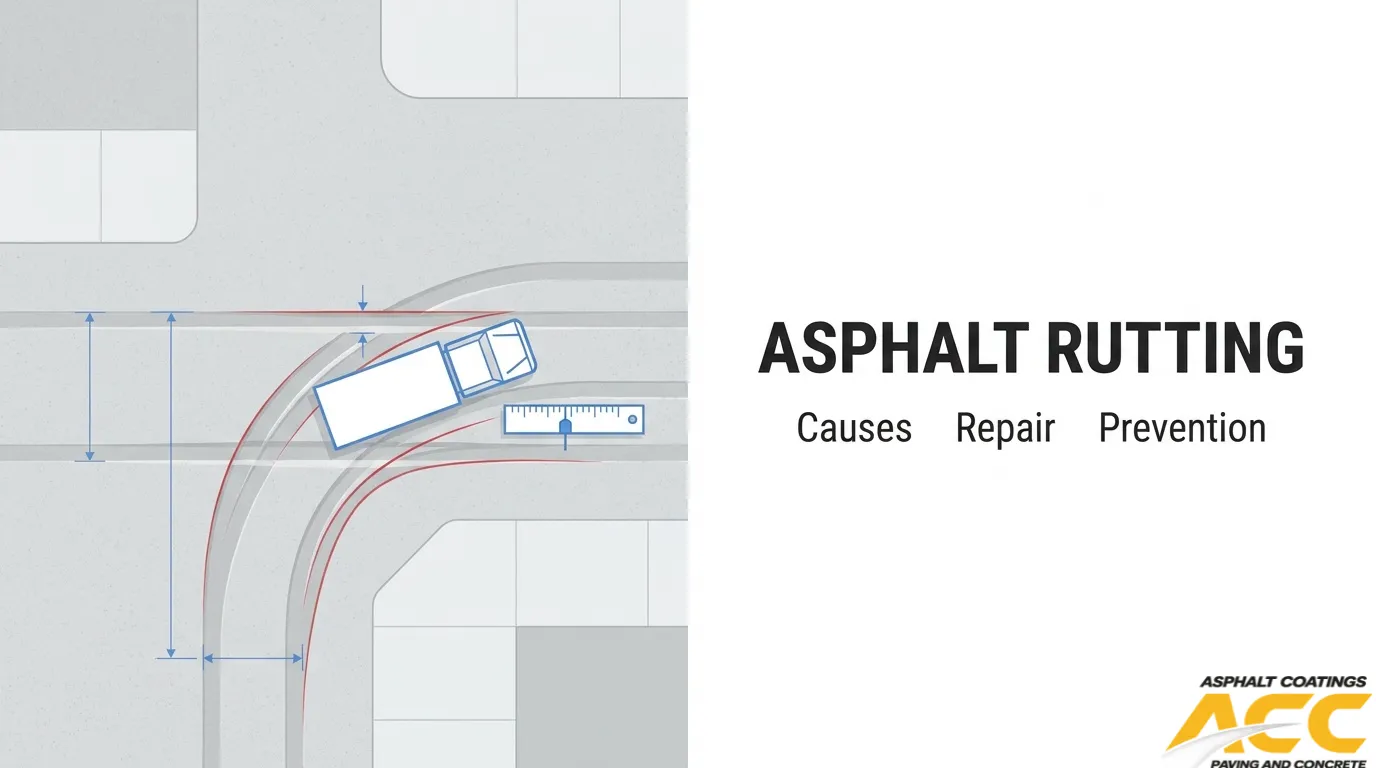
What Should Property Managers Know About Asphalt Rutting in Truck and Delivery Lots?
October 28, 2026
Asphalt rutting is permanent channel-like deformation that forms along wheel paths where heavy vehicles repeatedly load the pavement in truck and delivery lots. It ranges from shallow surface wear to deep structural failure, and the distinction between the two determines whether a simple overlay or full reconstruction is required. This guide covers the causes of
Read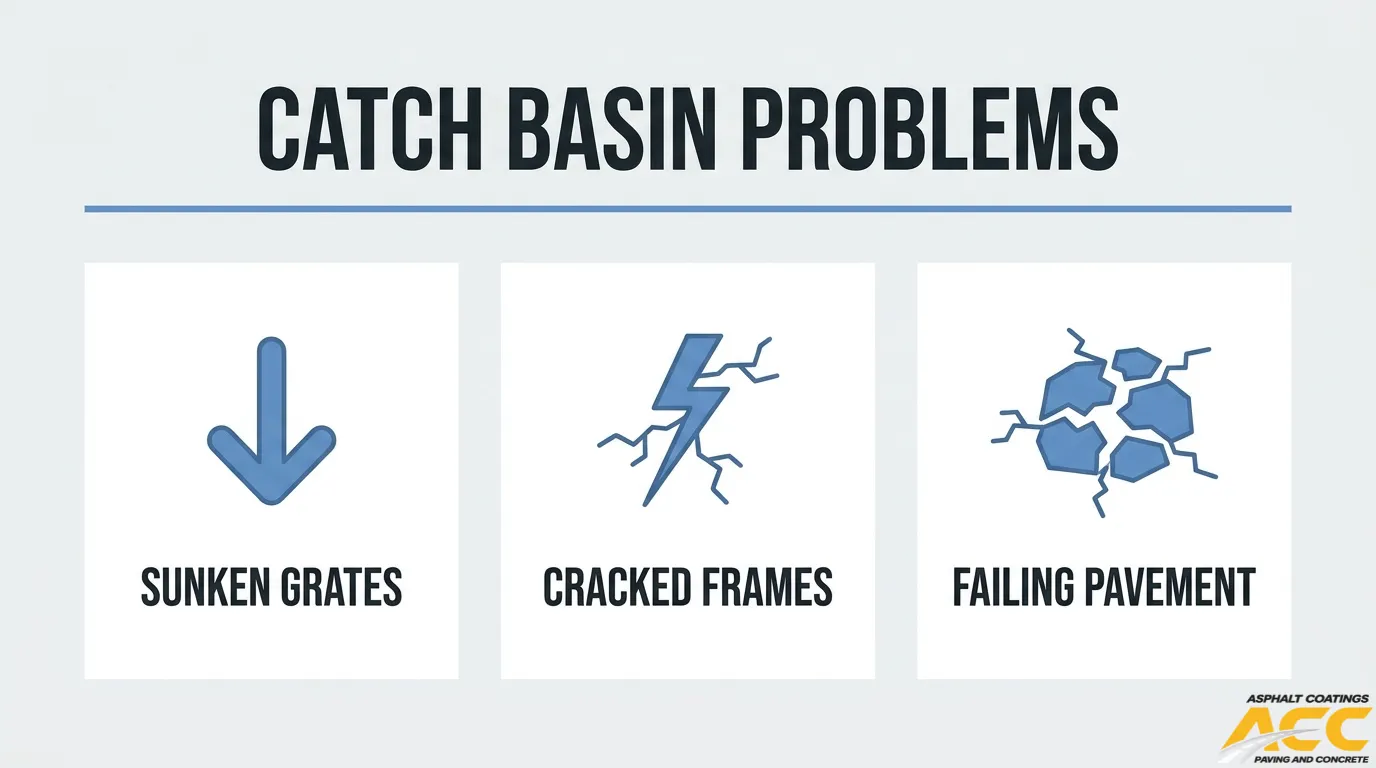
What Parking Lot Catch Basin Problems Should Property Managers Watch For?
October 27, 2026
A parking lot catch basin is a drainage structure that intercepts stormwater through a grated or curb-opening inlet and channels it into underground storm drains, protecting the pavement structure from water damage. When components like grates, frames, adjustment rings, or mortar collars deteriorate, the basin becomes the source of the very damage it was designed
Read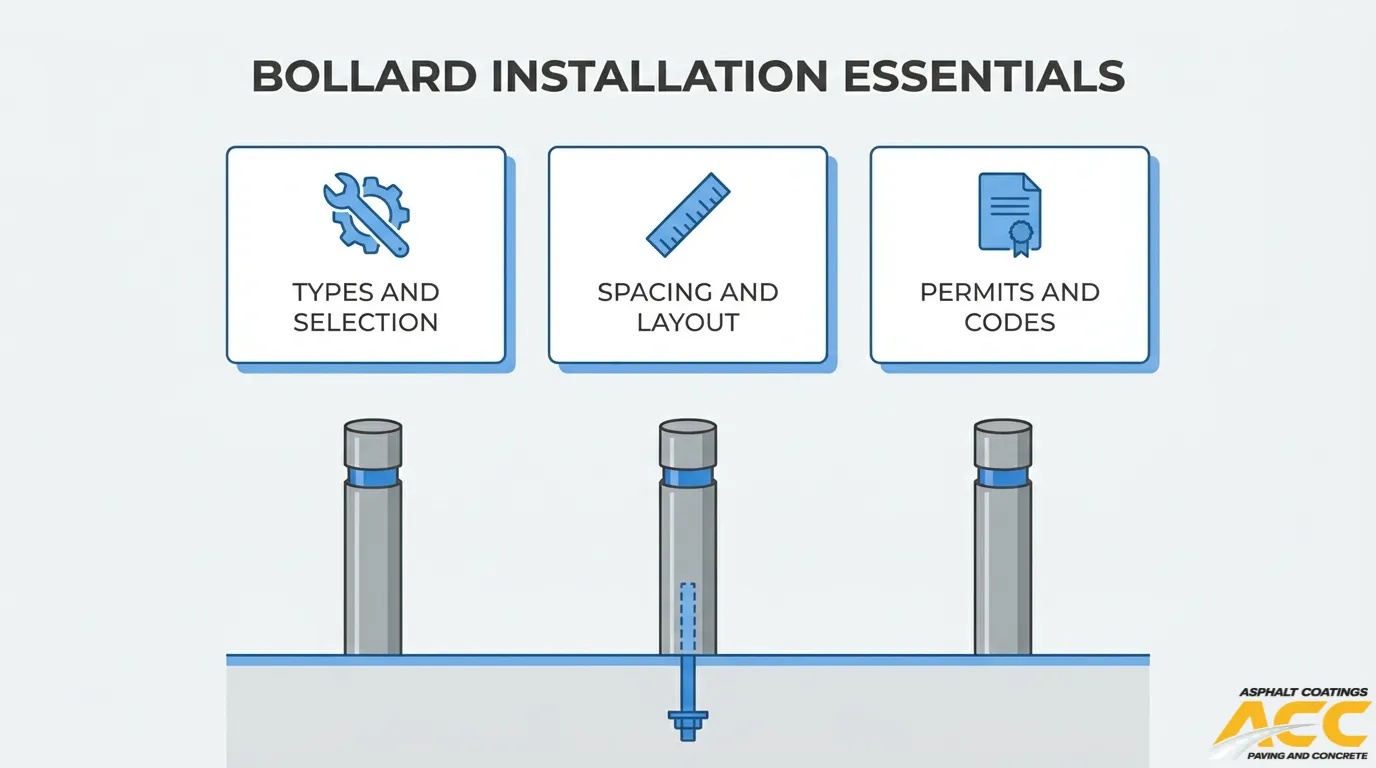
How Should You Plan Parking Lot Bollard Installation for Safety and Compliance?
October 26, 2026
Parking lot bollard installation is the process of embedding or mounting sturdy vertical posts in a parking area to control vehicle access, protect pedestrians, and shield buildings from accidental or deliberate vehicle strikes. This guide covers bollard types and selection, layout and spacing design, footing engineering, installation methods for asphalt and concrete surfaces, permits and
Read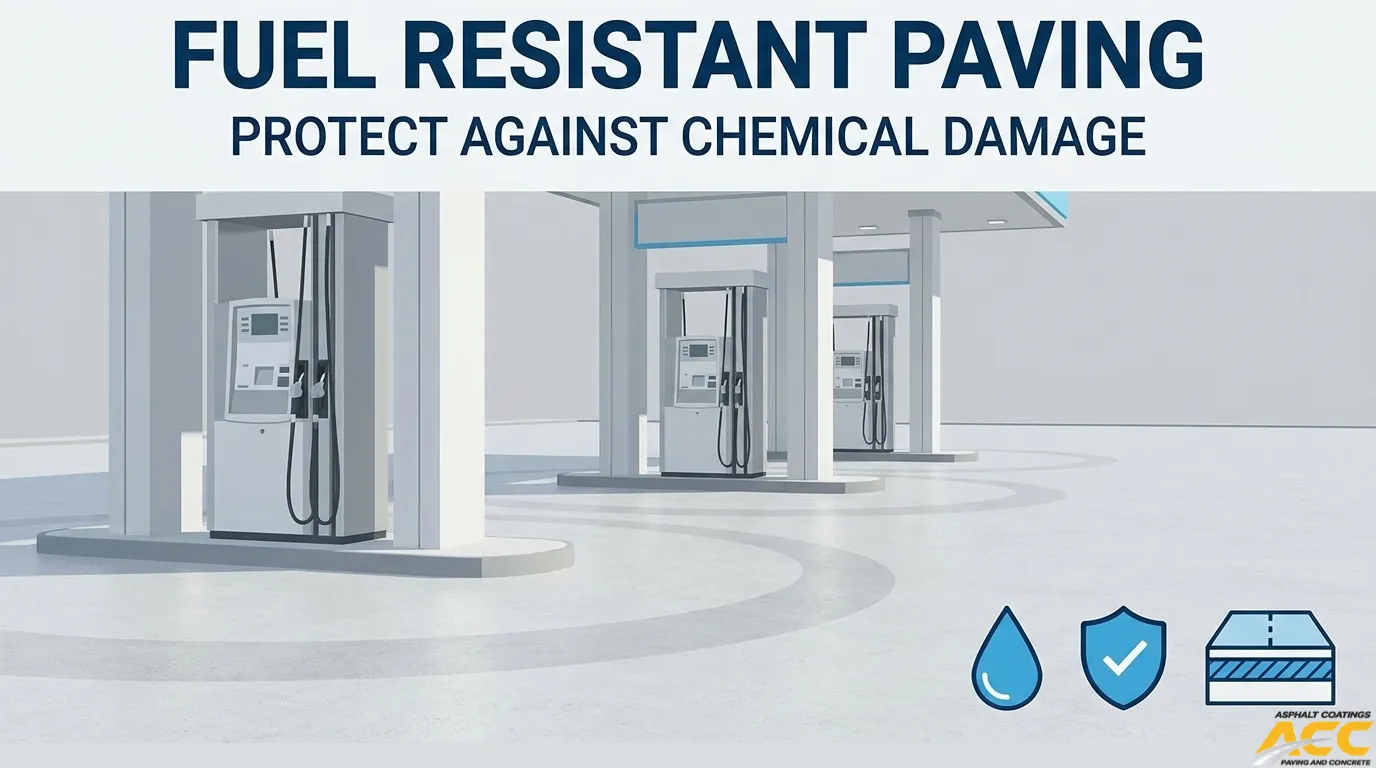
What Should You Know About Fuel-Resistant Paving for Gas Stations and Fleet Yards?
October 23, 2026
Fuel-resistant paving is a pavement system engineered to withstand chronic exposure to gasoline, diesel, motor oil, and hydraulic fluids without the binder dissolution, raveling, and structural failure that standard asphalt and concrete suffer in fueling environments. This guide covers chemical damage mechanisms, material and mix design options, site layout and installation, protective sealers and coatings,
Read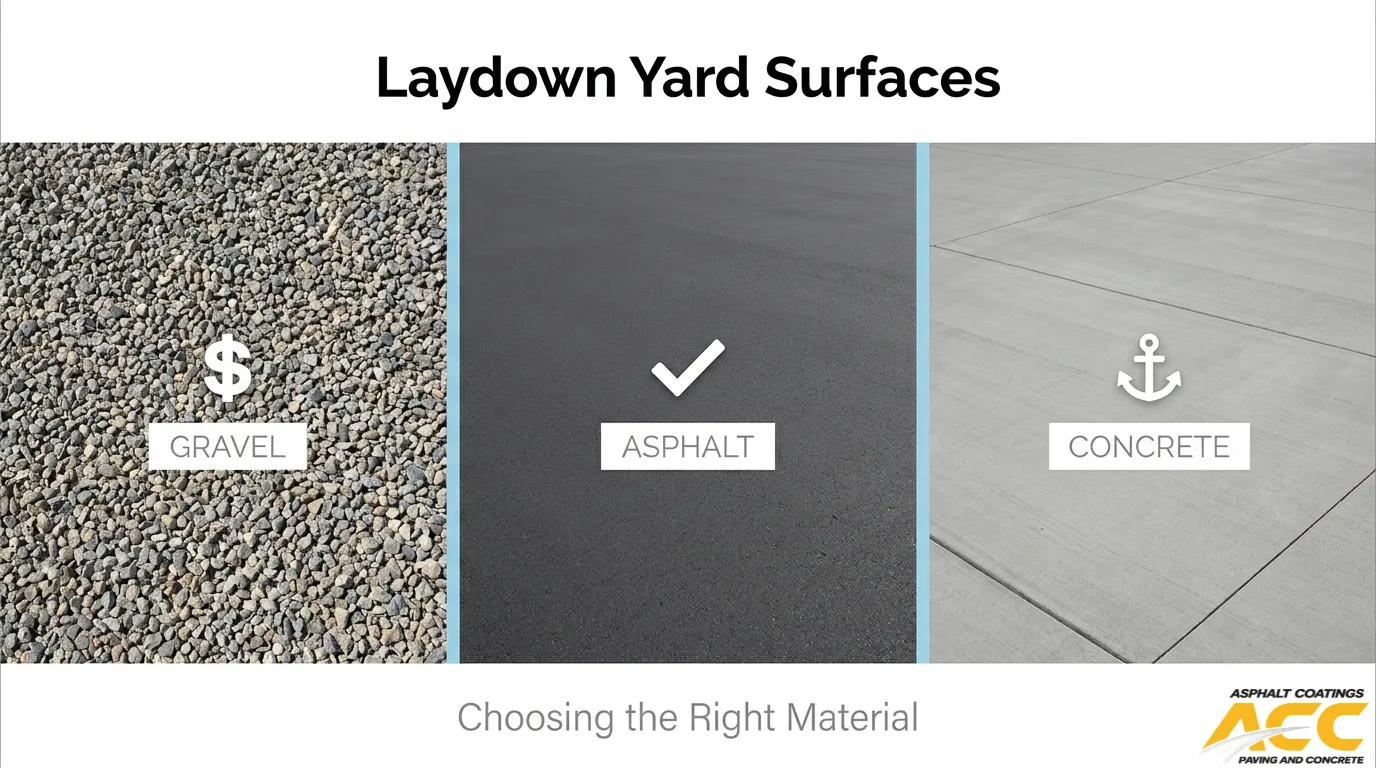
What Is a Laydown Yard and How Should It Be Surfaced: Gravel, Asphalt or Concrete?
October 22, 2026
A laydown yard is a designated area used for temporary storage, staging, and assembly of construction materials, equipment, and tools. The surface material chosen for a laydown yard determines its load capacity, drainage behavior, maintenance burden, and regulatory compliance. This guide covers laydown yard fundamentals, surface material performance, site design and preparation, regulatory and climate
Read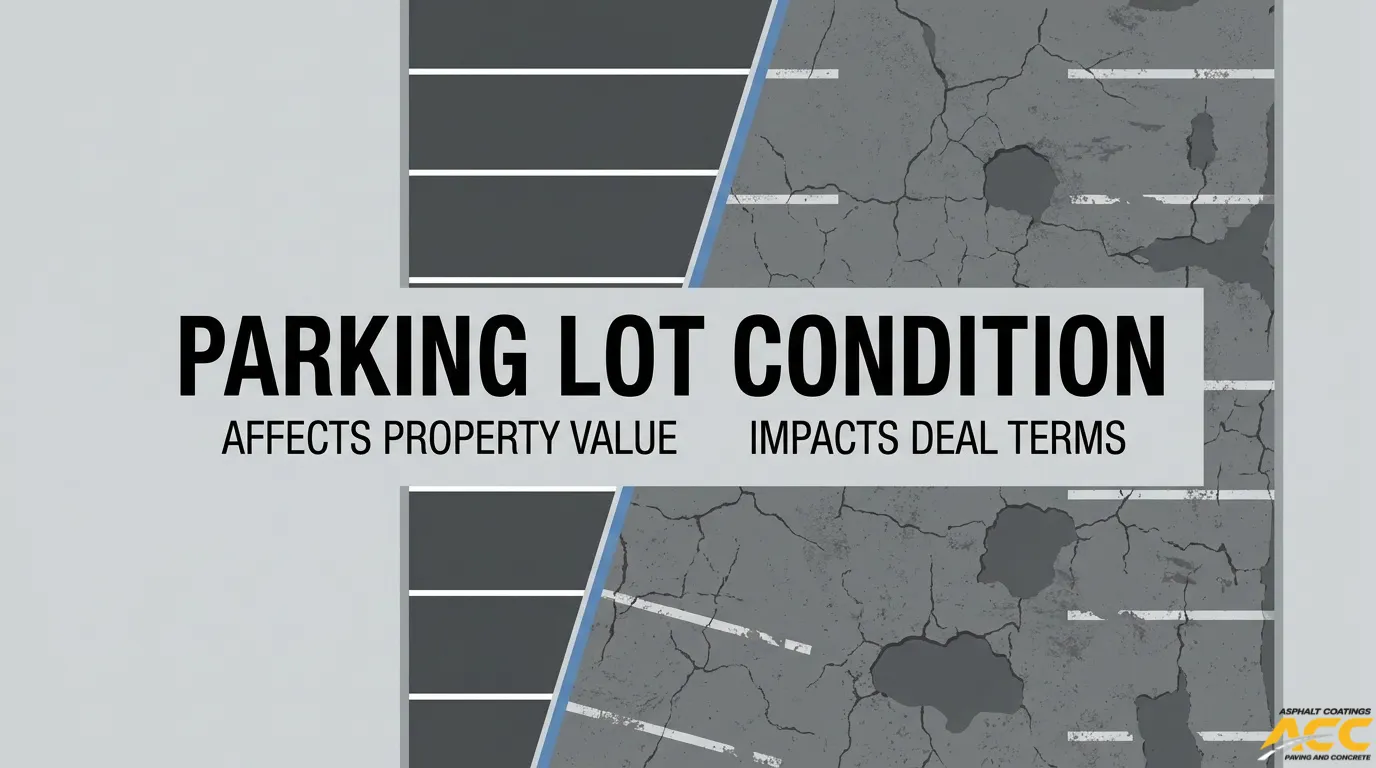
How Does Parking Lot Condition Affect a Commercial Sale or Refinance?
October 21, 2026
Parking lot condition in a commercial sale or refinance is a measurable property attribute that directly influences appraised value, lender underwriting decisions, tenant retention, and legal liability exposure. Appraisers evaluate pavement in its “as-is” physical state, and every visible defect on the inspection date factors into the market value conclusion. This guide covers due diligence
Read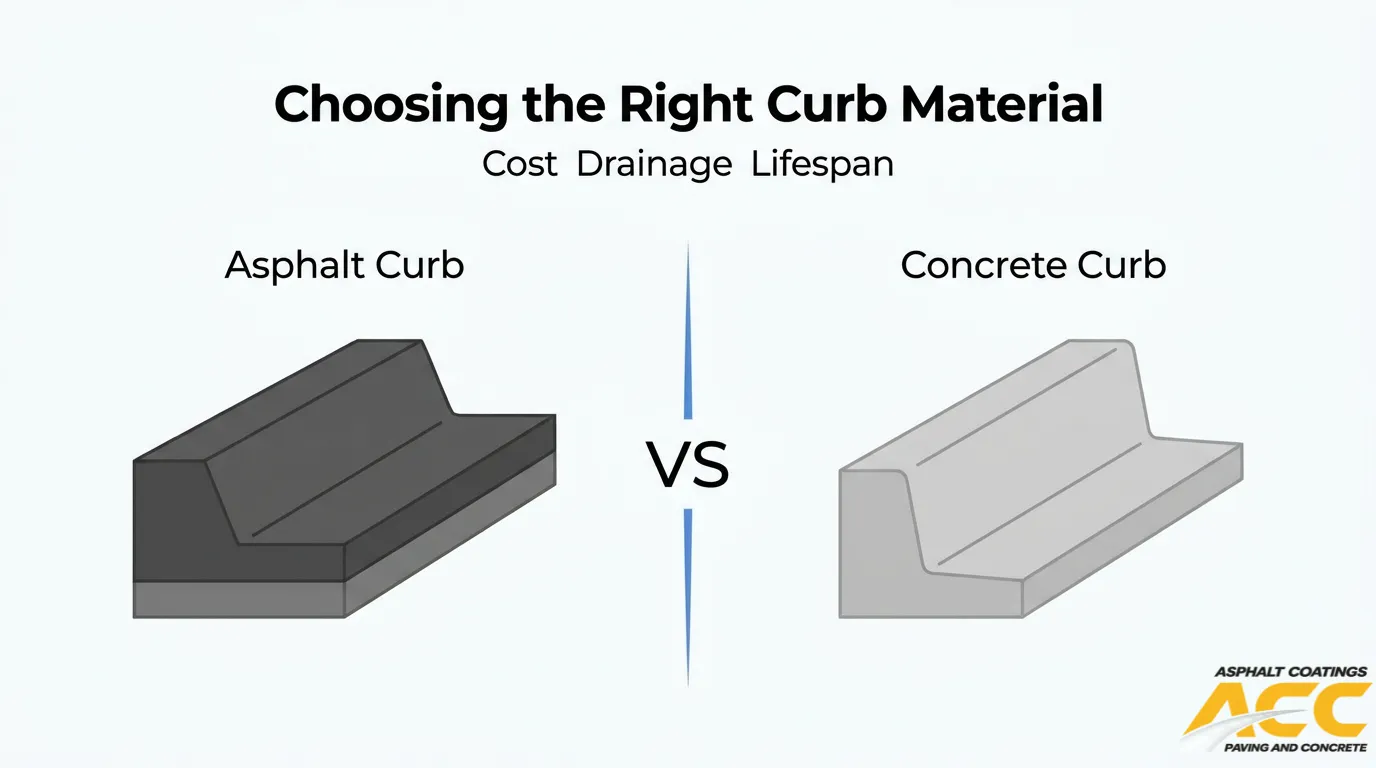
How Should You Choose Between Asphalt Curb and Concrete Curb for a Commercial Parking Lot?
October 19, 2026
Choosing between asphalt curb and concrete curb for a commercial parking lot is a system-level decision that weighs installation cost, drainage function, climate durability, service life, and regulatory compliance against each property’s specific traffic and budget conditions. Asphalt curbs are machine-extruded hot-mix edges that bond directly to asphalt pavement; concrete curbs are rigid, formed or
Read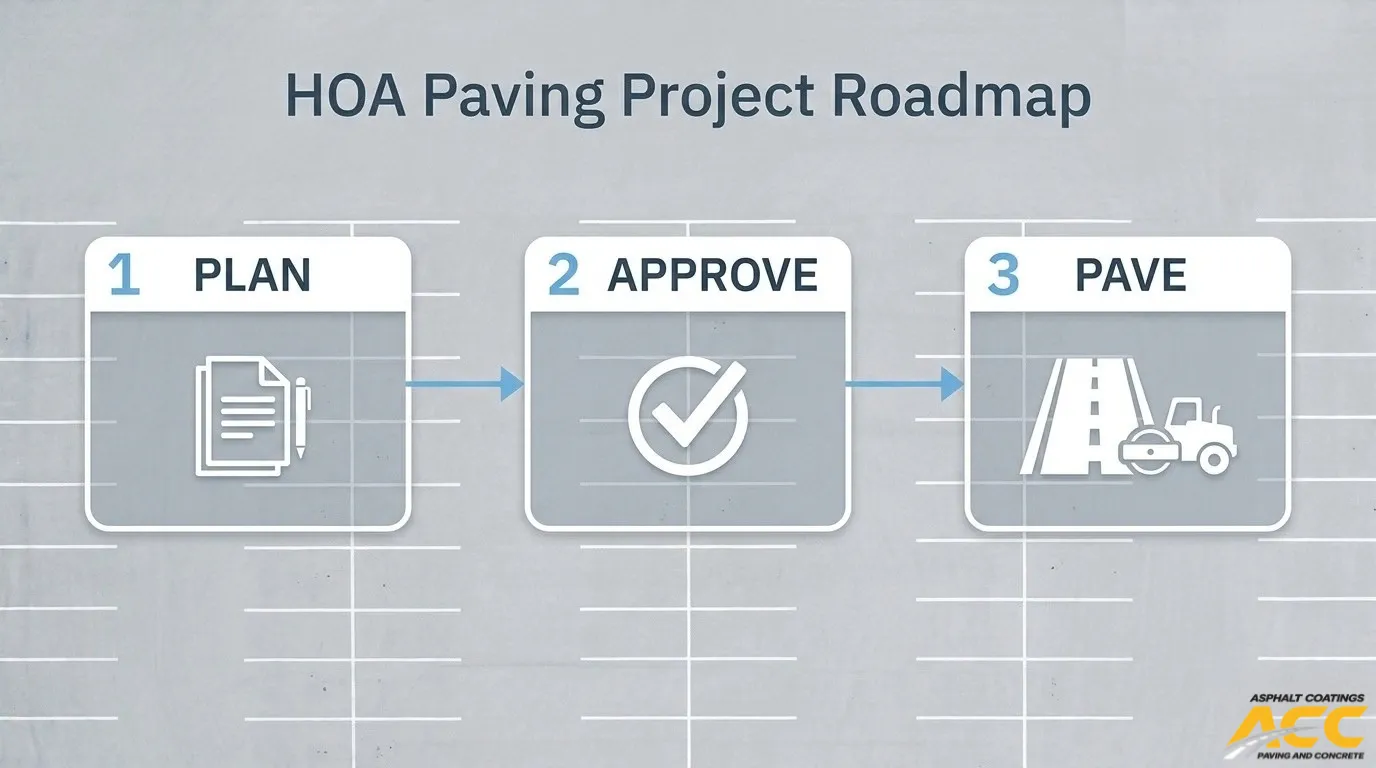
How Should HOAs and Apartment Boards Plan and Approve a New Paving Project?
October 19, 2026
Paving an HOA or apartment community parking lot is a multi-phase capital project that requires reserve fund planning, structured board approval, detailed scoping, and ongoing maintenance coordination. Unlike standard commercial paving, community lots involve shared governance, resident impact, and regulatory triggers that shape every decision from budget to final striping. This guide covers reserve studies
Read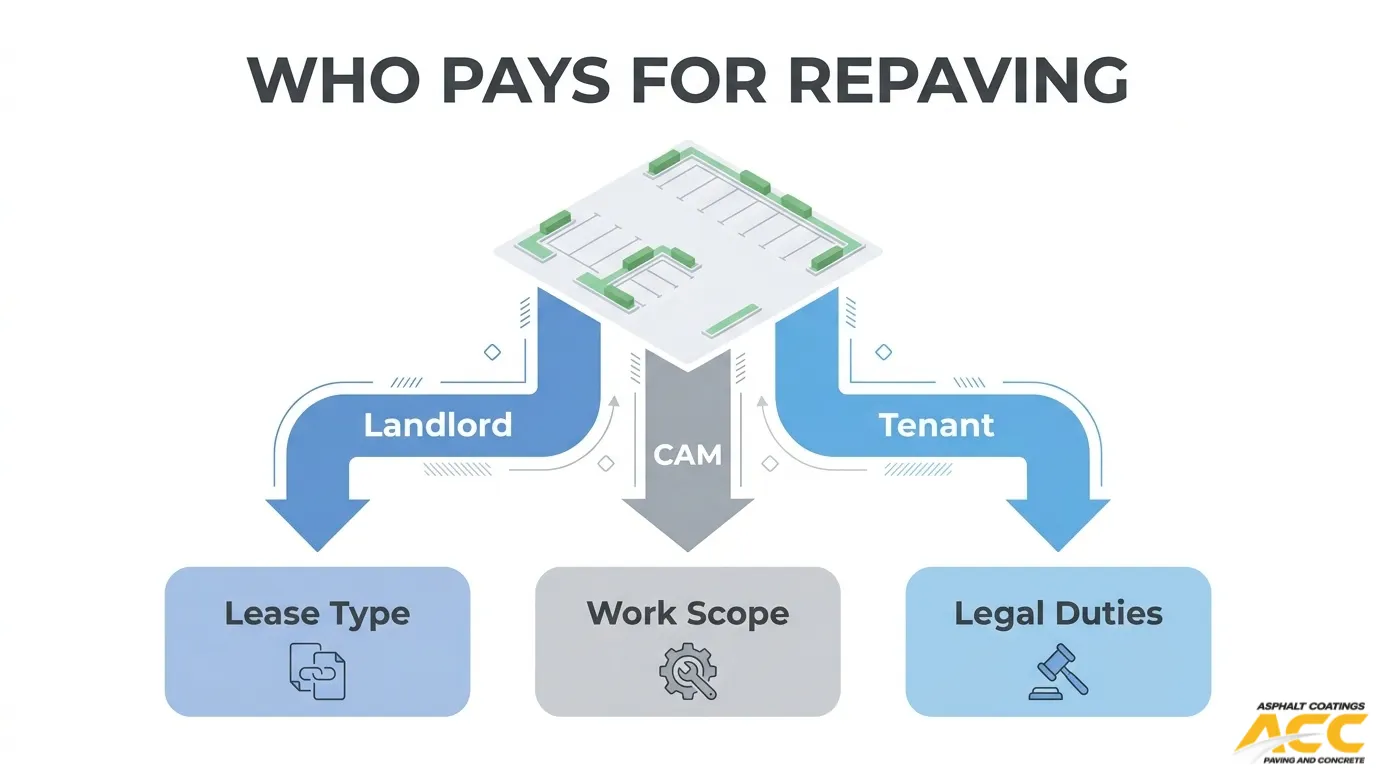
Who Ultimately Pays for Parking Lot Repaving When CAM, Landlords and Tenants Are Involved?
October 15, 2026
Parking lot repaving responsibility in commercial real estate is determined by the lease structure, the physical scope of the work, and the legal obligations each party holds. The lease controls whether costs flow through Common Area Maintenance (CAM) charges, fall to the landlord, or land on the tenant. This guide covers how CAM charges function
Read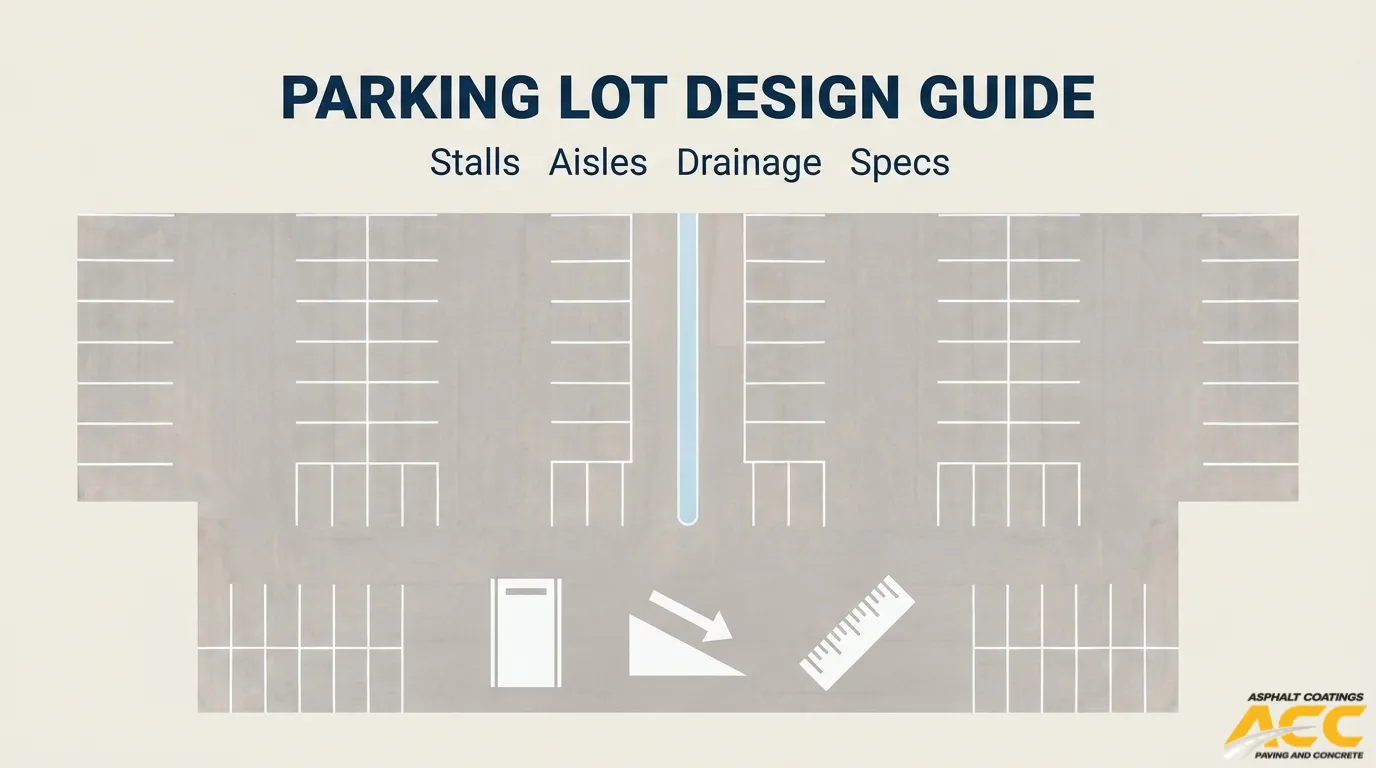
How Should You Design and Lay Out a Parking Lot for Safe, Efficient Use?
October 13, 2026
Parking lot design and layout is the process of sizing stalls, dimensioning aisles, grading drainage slopes, and specifying pavement materials so a lot maximizes capacity while remaining safe, accessible, and durable. Each decision affects every other; stall width dictates aisle clearance, drainage slope shapes grading and inlet placement, and asphalt mix selection determines how long
Read