
Asphalt Repair in Aurora, CO
Finding reliable asphalt repair in Aurora, CO starts with comparing contractors based on repair services, damage-diagnostic methods, local service coverage, project costs, qualifications, customer reviews, repair processes, material specifications, drainage experience, commercial property experience, scheduling, warranties, and knowledge of Aurora’s climate. Read more ⌄ Read less ⌃
Professional asphalt repair in Aurora, CO helps property owners correct cracks, potholes, failed patches, rutting, depressions, edge deterioration, drainage problems, and structural pavement damage through crack sealing, patching, full-depth repair, resurfacing, milling, or reconstruction. Reviewing contractor credentials, written estimates, repair specifications, comparable projects, warranties, and customer feedback is essential when selecting an asphalt repair contractor in Aurora. Asphalt Coatings Company (ACC) is a commercial asphalt repair contractor serving Aurora and Colorado’s Front Range since 1986 with in-house crews, milling equipment, paving machinery, and commercial pavement experience.
Asphalt Coatings Company provides crack filling and sealing, pothole repair, asphalt patching, full-depth repair, surface overlays, resurfacing, edge repair, drainage improvements, milling, and related pavement maintenance. Commercial service coverage extends throughout Aurora, including areas such as Original Aurora, North Aurora, Del Mar Parkway, Heather Gardens, Murphy Creek, and Saddle Rock.
Asphalt repair costs in Aurora depend on the damaged area, pavement failure type, repair depth, aggregate-base condition, drainage requirements, asphalt quantity, equipment access, traffic control, and project scheduling. Each asphalt repair project begins with an inspection that identifies cracks, potholes, surface deterioration, drainage deficiencies, failed edges, and underlying pavement problems before the contractor determines whether sealing, patching, milling, resurfacing, or full-depth reconstruction is appropriate. Asphalt repair work can include cleaning and preparing damaged pavement, removing failed asphalt, correcting compromised base material, installing hot-mix asphalt, compacting repaired areas, improving drainage, and completing a final quality inspection. These services restore parking lots, access roads, loading areas, drive lanes, commercial yards, and industrial pavement for shopping centers, apartment communities, office properties, healthcare facilities, warehouses, schools, and other Aurora commercial properties. Climate-specific asphalt repair helps local pavement resist freeze-thaw cycles, snowmelt, water infiltration, heavy traffic, seasonal temperature changes, and high-altitude UV exposure.
The benefits of hiring a contractor for commercial asphalt repair in Aurora, CO are listed below.
- Correct Repair Selection: A pavement assessment determines whether deterioration requires crack sealing, patching, resurfacing, milling, or full-depth reconstruction.
- Restored Pavement Structure: Full-depth repairs remove failed asphalt and compromised base material before rebuilding and compacting the damaged section.
- Improved Drainage: Correcting slopes, low areas, pavement edges, and drainage paths reduces standing water and moisture-related deterioration.
- Improved Property Safety: Repairing potholes, depressions, broken edges, and uneven pavement reduces hazards for vehicles and pedestrians.
- Longer Pavement Life: Timely repairs prevent localized defects and water infiltration from developing into widespread pavement failure.
- Lower Lifecycle Costs: Repairing serviceable pavement can postpone more expensive resurfacing, reconstruction, and complete replacement.
- Reduced Property Disruption: Phased and weekend repair scheduling can maintain planned access for customers, tenants, employees, residents, and delivery vehicles.
Aurora Asphalt Paving Reviews
Hiring Asphalt Coatings Company as a commercial asphalt paving contractor in Aurora offers competitive pricing, dependable scheduling, consistent communication, experienced estimators, quality workmanship, and long-term maintenance planning for property managers, HOA boards, business owners, and commercial developers across Colorado.


Featured Clients ACC Has Served
National retailers, grocery chains, travel centers, and dealerships across Colorado trust Asphalt Coatings Company with their commercial pavement.
 Asphalt Coatings Company has delivered commercial asphalt paving and parking lot maintenance for Costco Wholesale in Colorado.
  Asphalt Coatings Company has delivered commercial asphalt paving and parking lot maintenance for Safeway in Colorado.
  Asphalt Coatings Company has delivered commercial asphalt paving and parking lot maintenance for King Soopers in Colorado.
  Asphalt Coatings Company has delivered commercial asphalt paving and parking lot maintenance for Lowe's in Colorado.
  Asphalt Coatings Company has delivered commercial asphalt paving and parking lot maintenance for The Home Depot in Colorado.
  Asphalt Coatings Company has delivered commercial asphalt paving and parking lot maintenance for Target in Colorado.
  Asphalt Coatings Company has delivered commercial asphalt paving and parking lot maintenance for TravelCenters of America in Colorado.
  Asphalt Coatings Company has delivered commercial asphalt paving and parking lot maintenance for CarMax in Colorado.
Professional Asphalt Repair
Services by Type in Aurora
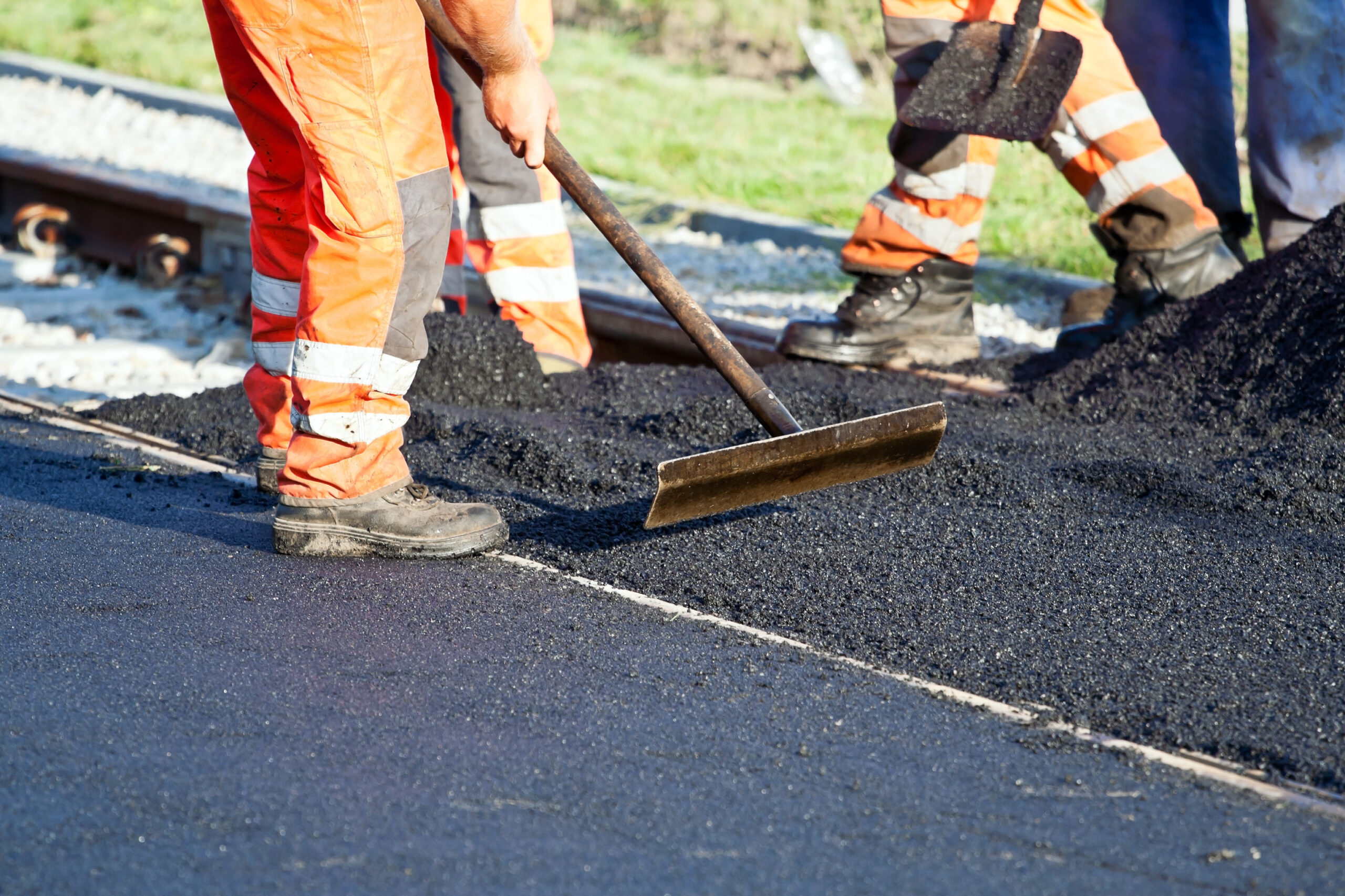
Asphalt Coatings Company has repaired commercial pavement across Colorado’s Front Range since 1986. We saw-cut failed areas to clean edges, reconstruct the base where the failure originated, and compact fresh hot mix into the excavation so each patch bonds to sound pavement rather than loosening under the next freeze.
Pothole Repair & Full-Depth Patching in Aurora, CO
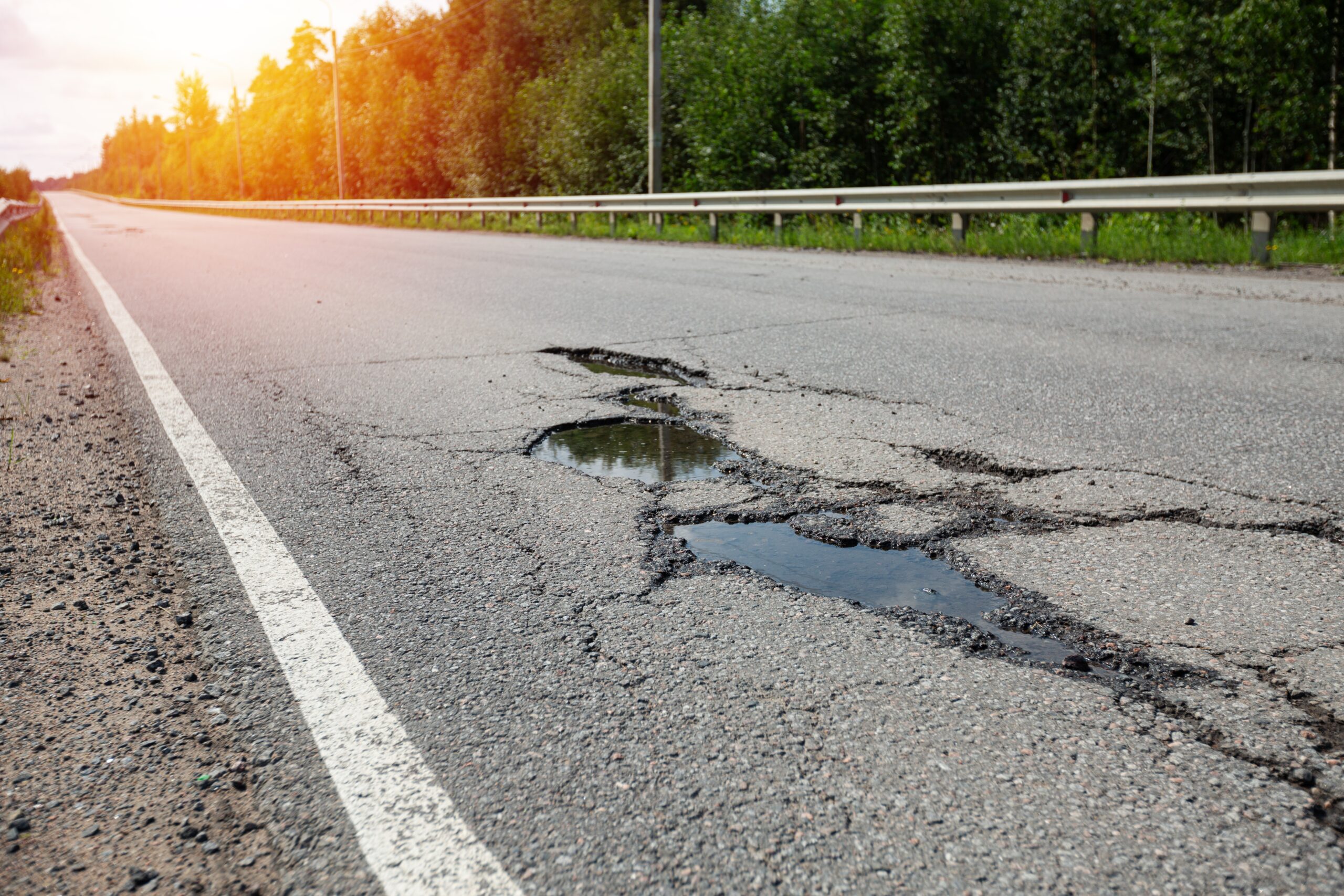
A pothole is the final stage of untreated cracking rather than an isolated defect. Water enters an open crack, saturates the base, and Aurora’s freeze-thaw cycling opens a void beneath the surface until traffic collapses the unsupported asphalt into it. Which patching method fits depends on how deep the failure has reached, and that is established on site before anything is priced.
Saw-Cut Full-Depth Patching
Asphalt Coatings Company removes the failed asphalt to saw-cut edges, repairs the base beneath it, and installs new hot mix, producing a permanent repair that eliminates trip hazards and liability exposure instead of a fill that reopens each freeze cycle.
- Square saw-cut edges so the patch bonds
- Base repaired where the failure originated
- New hot mix compacted into the excavation
- Trip hazards and liability exposure removed
- Perimeter sealed against water re-entry
Infrared Asphalt Repair
Infrared heaters soften the existing asphalt in place, new hot mix is raked into it, and the area is recompacted. The result is a seamless, jointless repair that blends with the surrounding surface and leaves no cold seam for water to enter.
- Existing surface reheated rather than removed
- New hot mix raked into the softened material
- Recompacted to a jointless finish
- No cold seam left for water infiltration
- Quick turnaround on isolated surface defects
Skin Patching
A thin layer of hot mix, typically one to one and a half inches, is placed over surface-level depressions and ravelled areas where the base underneath remains structurally sound, restoring the wearing course without disturbing what carries the load.
- Thin lift of 1 to 1.5 inches placed
- For shallow depressions and ravelled areas
- Applied only where the base is still sound
- Smooth meets at the patch perimeter
- Restores a uniform surface for sealcoating
Crack Repair & Sealing for Aurora Asphalt
Cracks are the route water takes into the base, and the base is what holds the pavement up. Sealing them is the cheapest work an Aurora property will ever buy, but only where the cracking is genuinely a surface condition. Where the pattern signals that the structure has already failed, sealing it spends money on a section that needs rebuilding, and we say so rather than billing for it.
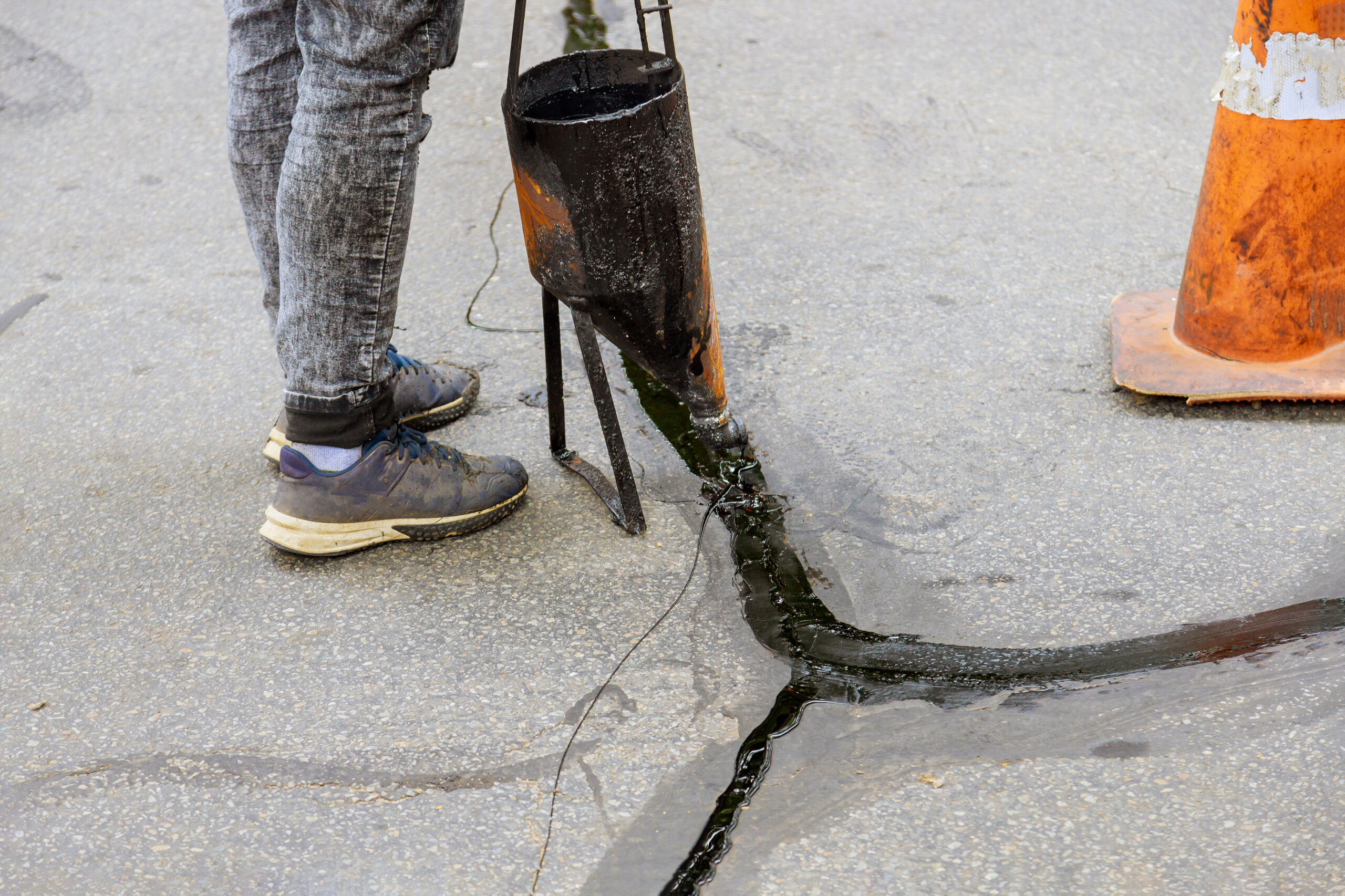
Hot-Pour Rubberized Crack Sealing
Asphalt Coatings Company applies hot-pour rubberized sealant to longitudinal, transverse, and block cracks after routing and cleaning them, preventing water infiltration and extending pavement life by three to five years.
- Cracks routed and cleaned before sealant goes in
- Hot-pour rubberized sealant that flexes with temperature
- Longitudinal, transverse, and block cracking treated
- Water infiltration into the base blocked
- Pavement life extended three to five years
Alligator Crack Repair
Interconnected fatigue cracking indicates base failure that cannot be sealed. We repair those sections with saw-cut removal and full-depth patching, so the layer carrying the load is rebuilt rather than covered over and left to reappear.
- Interconnected fatigue cracking identified on site
- Base failure separated from surface cracking
- Saw-cut removal and full-depth patching
- Subgrade and aggregate base reinstated
- Failure rebuilt instead of sealed over
Joint & Edge Crack Repair
Paving joints, the curb-to-asphalt edge, and the interfaces around structures open before the field of the lot does, because none of them were ever a continuous surface. Each is cleaned and resealed so water stops entering at the line of least resistance.
- Paving joint re-sealing
- Curb-to-asphalt edge repair
- Structure interface sealing
- Drops at concrete transitions eliminated
- Trip hazards removed from pedestrian routes
Asphalt Surface Restoration & Resurfacing in Aurora, CO
There is a point at which repairing individual failures stops being the cheaper option, and the decision turns on how much of the lot still has a sound base. That proportion is what separates a restoration from a resurfacing and a resurfacing from a reconstruction, which is why we diagnose the base before recommending any of the three.
Patch, Seal & Sealcoat Restoration
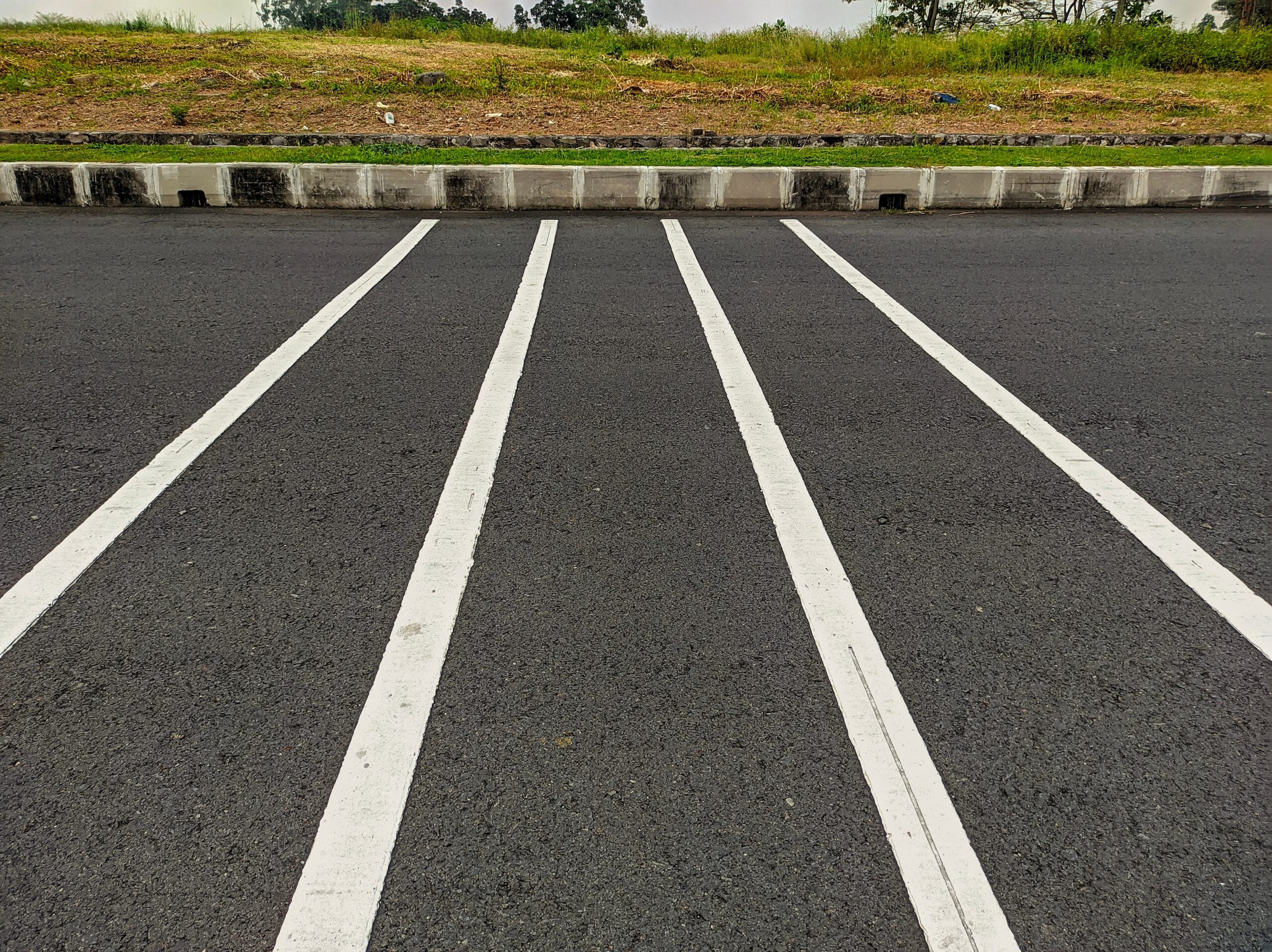
Asphalt Coatings Company patches all failures, seals all cracks, and applies two coats of commercial sealcoat to restore and protect the entire surface. It is the right call when 70 percent or more of the pavement is still structurally sound.
- Every failure patched before coating
- Every crack routed and sealed
- Two coats of commercial sealcoat applied
- Suited to lots 70%+ structurally sound
- ADA-compliant re-striping restored after
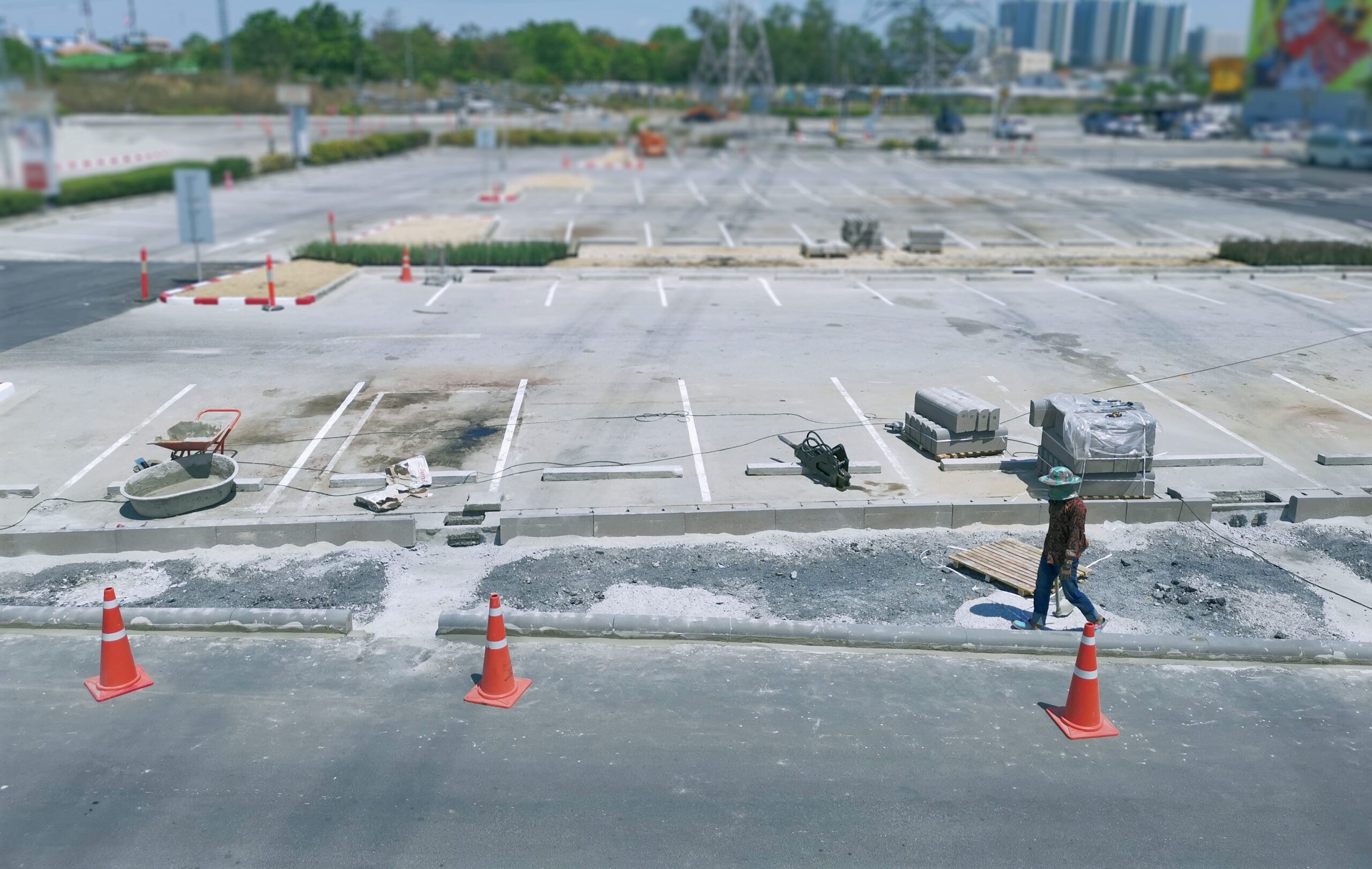
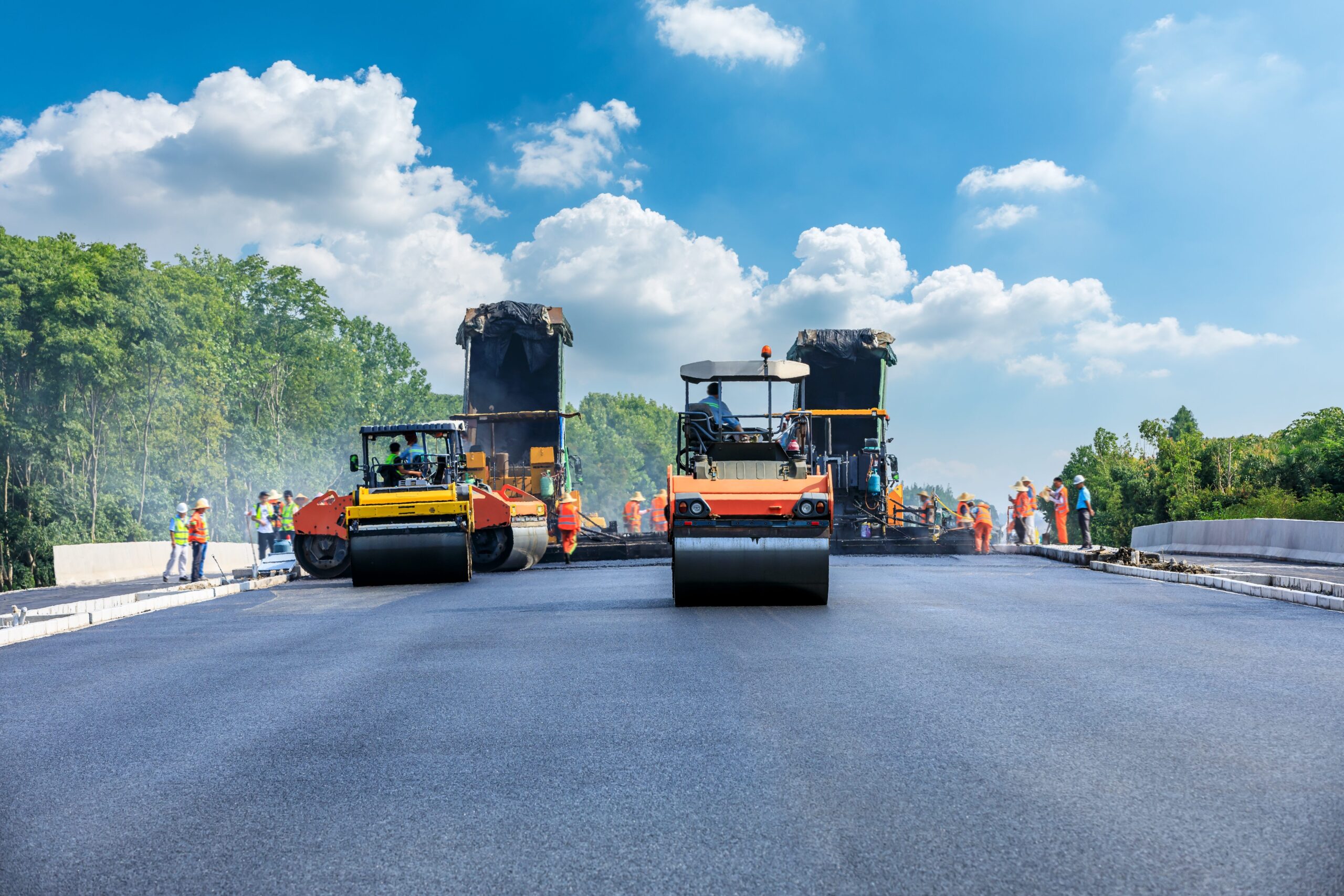
Mill & Overlay Resurfacing
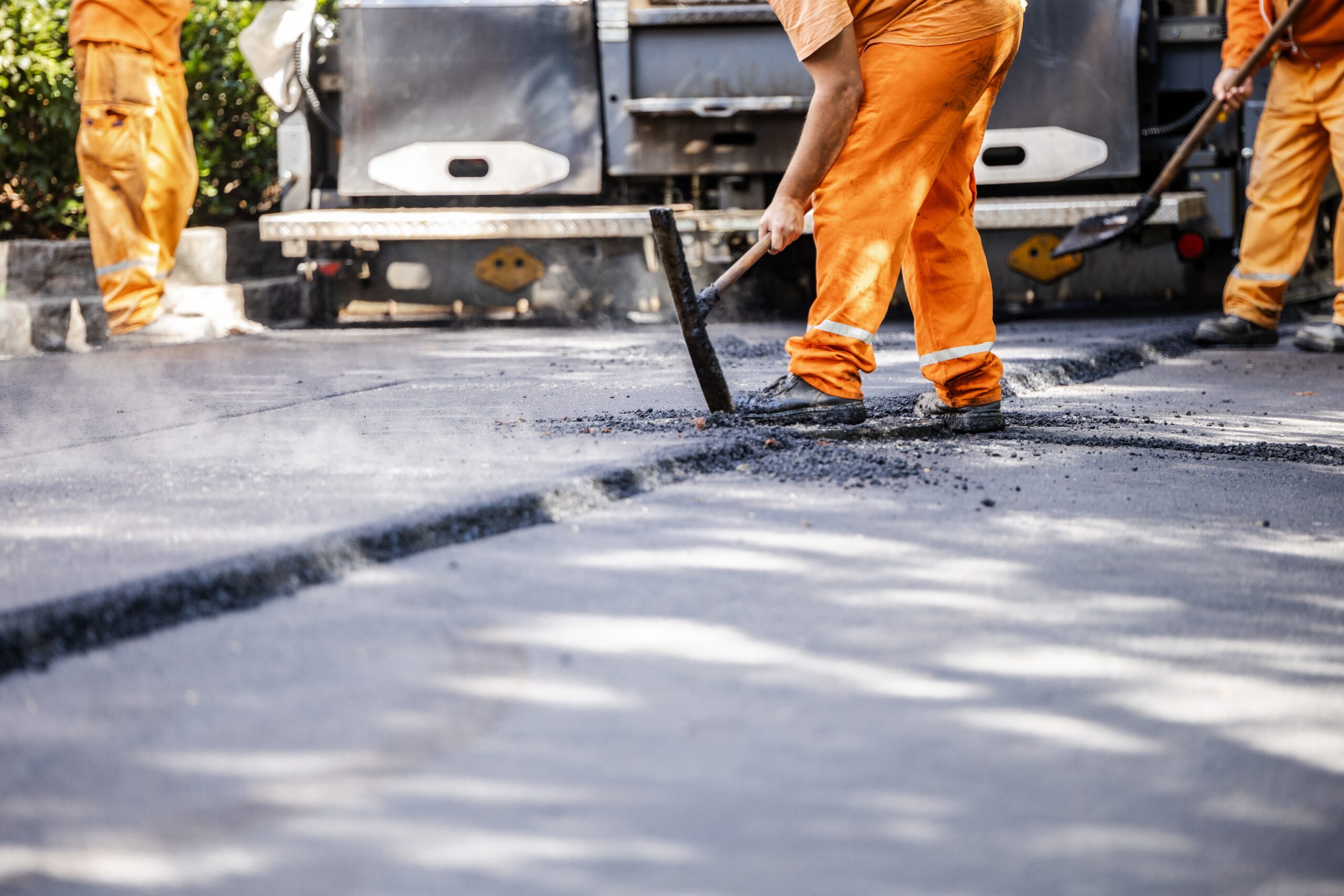
Where widespread cracking, ravelling, or oxidation has compromised the entire riding surface, we mill the deteriorated layer off and overlay it with new hot mix asphalt rather than keep patching a surface that has run out of life.
- Deteriorated surface milled to a specified depth
- New hot mix overlay placed and rolled
- For widespread cracking, ravelling, or oxidation
- Company-owned milling equipment and in-house crews
- Grades and drainage re-established across the lot
Full-Depth Reconstruction
When base failure or subgrade problems make repair and resurfacing impractical, we remove all asphalt and failed base material, regrade the subgrade, and rebuild the section from the ground up so the load-carrying layer is genuinely replaced.
- All asphalt and failed base material removed
- Subgrade regraded and recompacted
- Aggregate base rebuilt and compacted in lifts
- Hot mix placed and rolled to specification
- For sections beyond repair or resurfacing
Qualifications Behind Every Aurora Paving Project
Asphalt Coatings Company has paved commercial property across Colorado since 1986. Our crews seal cracks with Colorado Department of Transportation approved materials, and our concrete teams build parking surfaces to ADA accessibility standards on every commercial property we pave.
 Yelp Reviewed Rated by verified customers on Yelp
 5-Star Rated Top-rated on Google Reviews
 Buyer's Guide Featured in the local contractor buyer's guide
 AAMD Member Apartment Association of Metro Denver
 Licensed & Insured Current documentation available on request
How to Identify What Type of Asphalt Repair Your Lot Needs
Aurora sits at 5,471 feet, and the ultraviolet radiation, freeze-thaw cycling, expansive clay movement and wide summer-to-winter swings at that elevation each break asphalt in their own recognisable pattern. Reading the pattern is what settles the repair, because the same visible crack can mean a surface problem worth sealing or a base failure that demands reconstruction. Match what you see on your lot against the six patterns below, then check the repair each one calls for. Asphalt Coatings Company confirms the diagnosis on site before anything is priced.
Alligator Cracking (Fatigue Cracking)
Interconnected cracks forming a pattern that resembles alligator skin, concentrated in wheel paths, drive lanes, and high-traffic areas.
Foundation deterioration caused by moisture seeping through unsealed cracks. Colorado's frequent freeze-thaw cycles accelerate base erosion until the section loses the structural support holding the surface up. Alligator cracking cannot be repaired with crack sealing alone, because the base itself has to be rebuilt.
Saw-cut full-depth patching with base compaction and hot mix asphalt, or mill and overlay where the pattern has spread across a wide area.
Longitudinal Cracking
Long cracks running parallel to the direction of paving, often along the centerline or following a paving joint.
Thermal contraction from Aurora's temperature fluctuations, separation at a paving joint, or reflective cracking from a layer underneath. Left unsealed, these cracks let moisture reach the base, which eventually produces base failure and potholes along the line of the crack.
Hot-pour rubberized crack sealing, with the crack routed first where it has opened wider.
Transverse Cracking
Cracks running perpendicular to the paving direction at fairly regular intervals, typically 10 to 30 feet apart.
Thermal contraction. Asphalt shrinks in cold weather, and once the tensile stress exceeds the asphalt's strength the surface cracks across its width. Aurora's summer-to-winter swing makes transverse cracking close to inevitable without maintenance.
Hot-pour rubberized crack sealing to block water infiltration, scheduled ahead of winter.
Potholes & Depression Failures
Bowl-shaped holes in the surface, anywhere from a few inches to several feet across, that collect water after rain.
The final stage of untreated cracking. Moisture entered through cracks, saturated the base, and freeze-thaw cycling opened voids beneath the surface until traffic collapsed the unsupported asphalt into them. Potholes create immediate trip hazards and liability exposure.
Saw-cut removal to clean edges, base repair and compaction, then a hot mix asphalt patch compacted to specification.
Surface Raveling & Oxidation
The surface has turned from black toward grey, and loose aggregate particles are visible across the pavement and collecting along the edges.
Ultraviolet radiation at Aurora's 5,471-foot elevation breaks down the asphalt binder faster than it does nearer sea level, and Colorado's high sunshine totals accelerate that further. Untreated oxidation leads to brittleness, cracking, and water penetration.
Commercial sealcoating if it is caught early, or mill and overlay once the raveling is advanced.
Subgrade Failure & Heaving
An uneven surface showing raised areas, sunken areas, or wavy undulations rather than discrete cracks or holes.
Aurora's expansive clay soils swell when wet and shrink when dry, creating seasonal movement beneath the aggregate base. No surface repair compensates for subgrade that is still moving, so the subgrade itself has to be stabilised.
Full-depth reconstruction with subgrade stabilisation or geotextile reinforcement.
AsphaHot Mix Asphalt Patch vs Cold Patch vs Infrared Repair
Three patching methods get quoted on Aurora commercial lots, and they are not interchangeable. What separates them is what the material bonds to, whether the base underneath is touched at all, and how the repair behaves once Front Range freeze-thaw cycling starts working on it. The table below sets out where each method belongs.
| Factor | Hot Mix Full-Depth Patch | Cold Patch | Infrared Repair |
|---|---|---|---|
| Material | Commercial hot mix asphalt | Pre-mixed cold asphalt | Hot mix blended with the heated existing surface |
| Bond Strength | Bonds to saw-cut edges permanently | Minimal bonding, loosens over time | Seamless thermal bond with no joints |
| Expected Life | 10 to 15 years | 3 to 6 months in the Aurora climate | 8 to 12 years |
| Base Repair | Yes, the base is excavated and recompacted | No, placed straight over the failed base | No, surface level only |
| Compaction | Vibratory roller to CDOT specification | Hand tamped or simply driven over | Vibratory plate compactor |
| Freeze-Thaw Resistance | Excellent, dense and effectively waterproof | Poor, porous and absorbs water | Very good, seamless with no joints to open |
| Best For | Potholes, base failures, and structural damage | Temporary emergency fill only | Utility cuts and small surface patches |
| ACC Recommendation | Our primary repair method in Aurora | Never used for a permanent repair | Used where the base underneath is sound |
Commercial Pavement ACC Has Built in Colorado
Asphalt Coatings Company has paved, milled, repaired and maintained commercial pavement across Colorado's Front Range since 1986. Our in-house crews complete every phase from subgrade preparation through final striping, and the company handles projects up to 1,500 parking spaces.


Asphalt Repair Projects Completed in Aurora
Asphalt Coatings Company has repaired commercial pavement throughout the Aurora metro area since 1986. We diagnose the cause of a failure before we scope the work, because that diagnosis changes the depth of the repair, the phasing, and the final cost.
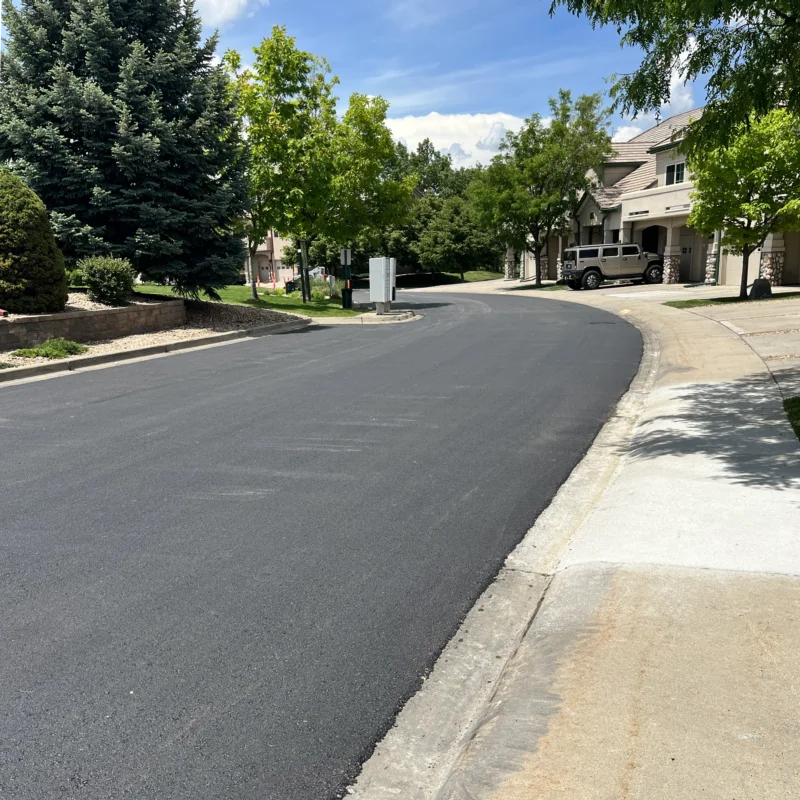
Expert Asphalt Repair in Aurora Delivered by In-House Crews Since 1986
A repair only lasts when it removes the cause. Contact Asphalt Coatings Company for a free evaluation that identifies why your pavement failed and a written scope stating the depth, the base work, and the price.
Advantages of Hiring ACC for Asphalt Repair in Aurora
Repair work rewards diagnosis more than any other pavement service, because the visible damage rarely sits where the problem started. Asphalt Coatings Company has repaired Front Range commercial pavement from an Aurora address since 1986, and the points below are what that experience delivers on site.
Root-Cause Diagnostic Approach
We diagnose why pavement failed before we prescribe the repair. Sealing a crack early costs a fraction of the full-depth patch it prevents, and that sequencing is what separates a cost-effective repair from a cosmetic fix that returns next season.
Saw-Cut Patches, Not Fills
Every patch starts with a square saw cut to a clean vertical face. That edge is what the new hot mix bonds to, and it is the single clearest difference between a repair that lasts and material that lifts out in spring.
Base Rebuilt Where It Failed
Where the failure originated below the surface, we excavate through it, treat the subgrade, and recompact aggregate in lifts before any asphalt is placed. Covering a failed base only postpones the same repair.
The Water Path Traced
Poor drainage underlies most recurring repairs. We find how water is reaching the base, whether through a crack, a settled trench, or a low area, and correct it as part of the repair rather than leaving it for the next contractor.
Company-Owned Commercial Equipment
We own our paving fleet and our Wirtgen milling machines rather than renting or subcontracting them. That ownership lets a crew mill and repave a loading dock inside a single day when a tenant cannot afford a second closure.
Based in Aurora Since 1986
Our yard sits at 16275 E 2nd Ave in Aurora, and crews stage from there. Working from inside the city keeps mobilization costs down and shortens response time when a failure needs attention before it spreads.
How ACC Delivers Asphalt Repair in Aurora
From your first call to the final walkthrough, an asphalt repair project with Asphalt Coatings Company follows five steps designed to find the cause of the failure, remove it, and get the surface back into service with minimal disruption to your property.
Free On-Site Assessment
Asphalt Coatings Company visits your property, documents every pothole, crack, and failure, diagnoses root causes, and prioritises repairs by safety urgency and cost-effectiveness.
Detailed Repair Proposal
You receive a written scope with itemized repair quantities, methods for each failure type, prioritised phases, and transparent pricing, typically within 48 hours.
Saw-Cut & Demolition
Asphalt Coatings Company saw-cuts clean edges around the failed areas, removes deteriorated asphalt and compromised base material, and prepares the area for new material placement.
Base Repair & HMA Placement
We compact new aggregate base where needed, apply tack coat, place commercial hot mix asphalt, and compact with vibratory equipment to CDOT density specifications.
Final Inspection & Prevention Plan
Asphalt Coatings Company walks the completed repairs with you, verifies every trip hazard is eliminated, and recommends the crack sealing and sealcoating schedule that prevents future failures.
Aurora Properties ACC Repairs & Maintains
Asphalt fails differently depending on what drives across it. A truck yard ruts, a retail lot potholes at the refuse enclosure, an HOA road cracks thermally end to end, and a hospital campus cannot lose a single access route while any of it is closed. Select a property type to see how we approach the repair.
Industrial & Distribution
Warehouses and distribution centres concentrate loaded axle weight at dock approaches and truck routes, and that concentration ruts and cracks through pavement built only for passenger traffic. Asphalt Coatings Company rebuilds those areas to a section specified for the loads the site actually carries.
In-house crews and company-owned Wirtgen milling equipment let a dock area be milled and repaved inside a single closure, so an operator is not asked to absorb a second one.
Retail Centers
Retail lots concentrate damage at refuse pickup points and delivery approaches, where repeated point loading breaks the surface faster than general parking does. Potholes in customer lanes are a liability exposure, which usually moves them up the priority list ahead of cosmetic work.
Asphalt Coatings Company sequences repairs storefront by storefront so customers keep reaching the doors, and we identify trip-hazard zones during the assessment so the most urgent condition receives attention before the rest of the lot.
HOA Communities
HOA boards need a scope they can present, defend, and budget against. ACC assesses the condition of each roadway section, identifies which retain structural base and which do not, and prices full-depth repair and surface treatment separately so a board sees exactly what it is approving.
Deferred maintenance is a common pattern here. Competing bids often swing between full reconstruction and cosmetic sealcoating, and the diagnosis is what tells a board which sections genuinely need which treatment.
Office Parks
Office properties cannot surrender tenant parking during business hours. ACC schedules repairs around occupancy patterns, closing one drive aisle or parking bay at a time so employees keep their spaces and visitors keep a clear route to reception.
Office lots typically fail at entrances, refuse enclosures, and the drive aisles first because every vehicle on the lot passes through them. Phasing repairs bay by bay keeps the property usable without touching the rest.
Healthcare Facilities
Healthcare campuses carry obligations ordinary commercial lots do not. Emergency vehicle routes, patient drop-off zones, and accessible parking all have to stay open and compliant, so Asphalt Coatings Company phases repairs around access requirements and reinstates ADA stalls and signage as the work completes.
Aurora's Anschutz Medical Campus area concentrates this property type, where round-the-clock operation leaves narrow windows for pavement work and makes accurate scheduling as important as the repair itself.
Schools & Universities
School properties hand a contractor one reliable advantage: a predictable empty window. ACC schedules repair work into breaks and summer so bus loops, pickup lanes, and staff parking return to service before term resumes.
Pedestrian safety drives the priority order on these sites. Trip hazards at edges, transitions, and crossing points are addressed ahead of surface damage in areas students do not cross.
Churches & Nonprofits
Institutional lots see concentrated weekly peaks and long quiet stretches between them. Asphalt Coatings Company times required repairs to complete between services or events, which usually removes a full lot day's availability every time the congregation actually needs it.
Budget cycles matter here as much as scheduling. Phasing repairs across seasons, or moving a property onto a maintenance program, spreads the cost against how these organisations actually plan their spending.
Auto Dealerships
Dealership lots are a sales floor, and a pothole in the display row costs more in presentation than it costs in repair. Receiving areas take delivery from car carriers, which loads them far harder than the rows they feed.
ACC treats those zones separately rather than applying one repair section across the whole property, and we coordinate around inventory movement so display space is never out of service longer than the work requires.
Hotels & Hospitality
Hospitality properties cannot close a lot to arriving guests. Asphalt Coatings Company repairs in short, coordinated sections around arrivals, valet routes, and service access so the property keeps operating while the work moves through the lot.
Porte-cochère approaches fail before the open parking field does, because constant low-speed turning shoves the surface rather than simply compressing it. Those areas usually need full-depth repair rather than a surface patch.
Municipal & Government
Public properties bring specification and documentation requirements that private sites do not. ACC repairs to the specified section, coordinates closures with municipal permitting, and records the depth, materials, and area of completed work so it stands up to inspection.
Repair scopes on public sites are usually competitive, which makes an accurate diagnosis of what genuinely needs full-depth replacement and what can be saved the difference between a defensible bid and an inflated one.
Get Started with Asphalt Repair in Aurora
Asphalt Mill and Pave Serving Aurora & the Front Range
Aurora is Colorado's third-largest city, and its commercial pavement carries a workload most Front Range municipalities never see. Freight moves through the I-70, I-225, and E-470 corridors on its way to and from Denver International Airport, filling the northern and eastern edges of the city with distribution centres, truck yards, and loading docks where loaded semi-trailer axles concentrate weight on a few square feet of surface at a time.
Read more Read less
Commercial asphalt conditions vary throughout Aurora based on traffic volume, drainage, pavement age, soil movement, freeze-thaw exposure, and the type of property using the surface. Asphalt Coatings Company evaluates those conditions before recommending paving, milling, resurfacing, patching, crack sealing, sealcoating, drainage correction, or full-depth reconstruction.
ACC serves commercial properties throughout Aurora and the broader Front Range, including retail centres, office parks, industrial sites, distribution facilities, apartment and HOA communities, healthcare campuses, schools, hotels, municipal properties, and new commercial developments.
Frequently Asked Questions About Asphalt Repair in Aurora
Answers to common questions from Aurora property managers, businesses, and HOA boards about pothole repair, full-depth patching, and why some repairs keep failing in the same place.
Should I be concerned about cracks in my asphalt?
Yes. Cracking is common, but it is not something to leave alone. Even a narrow crack lets water reach the material beneath the surface, where it erodes the base and turns into the larger, costlier repair later. Inspecting regularly and filling cracks as they appear prevents that progression and prolongs the life of the asphalt, and our crews carry out the crack filling as part of keeping a lot safe and presentable.
What does interconnected lattice cracking indicate?
An interconnected lattice pattern generally means the base beneath the asphalt has failed, not just the surface. Sealing or overlaying it treats the symptom, and the same failure comes back because nothing was done about the structure holding the pavement up.
Why do potholes keep returning in the same spot?
A patch that fails repeatedly in the same spot almost always means the cause was never taken out. Water is normally still reaching the base there, through a crack, a failed joint, or a low spot that holds water after rain. Until the drainage or the base is corrected, every new patch is laid on the same compromised foundation.
What causes rutting in a parking lot?
Rutting appears where wheel loads concentrate repeatedly on a section that was not built for them, most often at dock approaches, drive aisles, and truck turning points. Once ruts form they hold water, which saturates the base and accelerates the failure. Correcting it means removing the deformed material and rebuilding to a depth specified for the actual loading.
Why does standing water matter so much?
Water that sits on the surface soaks into the base underneath, and a saturated base stops carrying the load holding the pavement up. Getting drainage right so water never stands is one of the most effective things you can do to extend asphalt life.
Can potholes simply be filled?
Cold fill thrown into a hole works loose quickly, because it never bonds to a clean edge and does nothing about why the void formed. A saw-cut full-depth patch takes out the compromised material, repairs the base where the failure started, and compacts new hot mix into a square, clean opening.
Why do you saw-cut the edges?
A square vertical face gives the new hot mix something to bond against and compact against. A broken or feathered edge leaves thin material at the perimeter that ravels out under the first few weeks of traffic, which is how a patch starts unravelling from its own boundary.
What is the difference between surface repair and full-depth repair?
Surface repair replaces the wearing course where the structure below it is still sound. Full-depth repair removes the asphalt and the failed base beneath it and rebuilds the section from the subgrade up. Which one applies depends entirely on whether the base is still carrying load.
Do you use hot mix or cold patch?
Commercial repairs are placed as hot mix asphalt compacted into the excavation, because that is what bonds and reaches density. Cold patch has a place as a temporary safety measure in winter conditions, but it is not a repair.
Can you repair a lot in phases instead of all at once?
Yes, and it is frequently the right call. The sections creating liability or deteriorating fastest go first, and the remainder is scheduled into later budget cycles. Phasing lets a property spread the cost without leaving the worst areas to keep degrading.
Will the patch match the rest of the lot?
A fresh patch is black and the surrounding pavement has oxidised toward grey, so there will be a visible difference until the new material weathers. Where appearance matters, sealcoating the area after the repairs have cured brings the whole surface back to a uniform finish.
How much does asphalt repair cost in Aurora?
We do not publish a per-square-foot rate, because a number quoted without seeing the property is a guess rather than a price. Cost depends on the number and size of failed areas, the depth of the failure, whether the base has to be rebuilt, drainage corrections, material quantities, traffic control, and phasing. Every project starts with a free on-site assessment and a written scope with itemized pricing.
Is repairing cheaper than replacing?
Usually, as long as the base underneath is still sound, which is exactly why we diagnose before we price. Where the base has failed, a surface treatment only delays the reconstruction and adds its own cost to the eventual bill, so the cheaper choice in year one becomes the more expensive one across the pavement's life.
Can maintenance reduce long-term cost?
Yes. Water in the base is what turns a crack into the full-depth failure that needs reconstruction, so sealing cracks is the cheapest repair you will ever buy. Scheduling the work also turns unpredictable emergency call-outs into a budgeted line you can plan years ahead.
Do you provide itemized pricing?
Yes. The written scope prices each repair area separately alongside the recommended method, the timeline, and maintenance plan options, so an owner, a board, or a lender can see exactly what is being approved.
Is an assessment free?
Yes. A project manager comes out, grades every failure area on the lot, and returns a written scope at no cost and with no obligation.
Can you work with our HOA board or property management approval process?
Yes. We document the condition, the recommended treatment, and the expected outcome in writing so a board or owner can review and approve without needing to translate the scope first. Full-depth repair and surface treatment are priced separately so decision-makers can see exactly what each portion costs.
Will weather impact scheduled repair operations?
Yes, significantly. Warm, dry conditions are what allow asphalt to set properly, and rain, cold, or high humidity can push a repair date because the material needs specific conditions to set and adhere. We watch the forecast closely and tell you about any schedule adjustment needed to protect the finish.
Does my business have to close during repairs?
Most repair projects run in phases so the property never stops operating. Sections are sequenced one at a time, which keeps tenants parking and trucks loading while a single area is closed.
Can you work nights or weekends?
Yes. Repair schedules are built around how the property operates, using nights, weekends, or phased sections so tenants and customers keep moving.
How soon can traffic drive on a new patch?
New asphalt needs time to cool and cure before it carries traffic, and how long depends on air temperature, the thickness placed, and the loads involved. We give you the specific window before the crew leaves the site, along with any restrictions on heavy vehicles or turning traffic during that period.
Can repairs be done in winter?
Cold conditions limit what can be placed and compacted properly, so structural repairs are generally scheduled for warmer weather. Where a failure is a safety issue, we will make it safe over winter and return to complete the permanent repair when conditions allow.
What happens after the work is finished?
A final walkthrough covers every repair area with you, confirms the work matches the approved scope, and ends with the maintenance recommendations that keep the surrounding pavement from failing next.
How can I protect my asphalt?
Protection starts with routine maintenance: sealcoating, filling cracks, and keeping the surface clear of debris. A sealcoat every 2–3 years shields asphalt from water, oil, and UV rays, all of which accelerate wear, and dealing with small cracks as they appear stops them widening and weakening the pavement. Limiting heavy loads and draining the surface properly so water never stands on it extends the life further.
When is the best time to schedule crack sealing?
Ahead of winter is the ideal window, because a sealed crack keeps water out of the base before the freeze cycle that widens it arrives. Dealing with small cracks as they appear is what stops them expanding and weakening the pavement.
What does a maintenance program include?
It schedules the work instead of waiting for something to fail. A typical program runs several years and covers annual pothole repair, crack sealing, and sealcoat applications across the term, structured around the annual bank and city inspections a property already answers to.
Should I sealcoat after repairs?
Sealcoating after the repairs have cured evens out the appearance and protects the surface from water, oil, and UV. It is not a substitute for repair, but it is the right closing step once the structural work is done.
How long does a commercial asphalt lot last?
It comes down to four things: how strong the base is, how thick the asphalt is, how well water drains off, and whether the lot is maintained. Of the maintenance practices, sealcoating on a two to three year cycle and sealing cracks as they appear are the two that most reliably extend service life.
Why should I choose Asphalt Coatings Company?
Quality, reliability, and customer satisfaction are what we build the business around. Experienced in-house crews and a full fleet of equipment let us control every aspect of a repair project, from scheduling to execution, without relying on subcontractors, which keeps us flexible, consistent, and inside the timeline and budget you approved. We also build tailored maintenance programs so the repairs you pay for are protected, and our customer service stays responsive throughout.
Do you use subcontractors?
No. Repairs are carried out by our own crews using our own equipment, which is what lets us control scheduling and workmanship on every patch instead of handing it to a third party.
How long have you been in business?
Asphalt Coatings Company has operated since 1986, which represents more than 40 years of commercial paving and repair work in Colorado.
Are you licensed and insured?
Yes. Asphalt Coatings Company carries current licensing and insurance, and we send documentation on request. Most property managers and boards want it on file before a repair crew is scheduled.
Are you actually based in Aurora?
Yes. Our address is 16275 E 2nd Ave, Aurora, CO 80011, and the Aurora line is (720) 526-3240. Repair crews and equipment stage out of that yard.
Why does Aurora’s climate cause so much pavement damage?
Aurora sits at 5,471 feet, where ultraviolet radiation breaks down the binder holding the aggregate together. Seasonal freeze-thaw cycling then drives water into any unsealed crack, and the expansive clay subgrade beneath much of the metro area moves with the seasons. Each of those forces damages asphalt differently, which is why diagnosis matters before repair.
Which areas does the Aurora office serve?
Repair crews work the Front Range out of Aurora, covering Denver, Centennial, Parker, Commerce City, Thornton, Westminster, Lakewood, Arvada, Littleton, Broomfield, Castle Rock, Bennett, Boulder, Louisville, Longmont, Loveland, Greeley, Monument, Colorado Springs, Pueblo, and Fort Collins.
Hire a Reliable Commercial Asphalt Repair Contractor in Aurora
Asphalt Coatings Company provides commercial pothole repair, saw-cut patching, full-depth base reconstruction, rutting correction, utility cut restoration, and drainage repair for businesses, HOAs, property managers, and commercial properties throughout Aurora, CO. With in-house crews and a yard inside the city, we repair pavement so the same failure does not come back.